




Customer pain: Hot spots causing product defects and equipment damage.
Requirement: Uniform spray coverage, consistent droplet size.
Efficient heat dissipation and temperature control solutions for steel, power generation, and chemical processing. Wide angle, full cone, and spiral nozzles for uniform cooling.
Customer pain: Hot spots causing product defects and equipment damage.
Requirement: Uniform spray coverage, consistent droplet size.
Customer pain: Excessive water usage and energy costs.
Requirement: Optimized spray efficiency, minimal overspray.
Customer pain: Nozzle blockage causing downtime and maintenance.
Requirement: Clog-resistant design, easy cleaning.
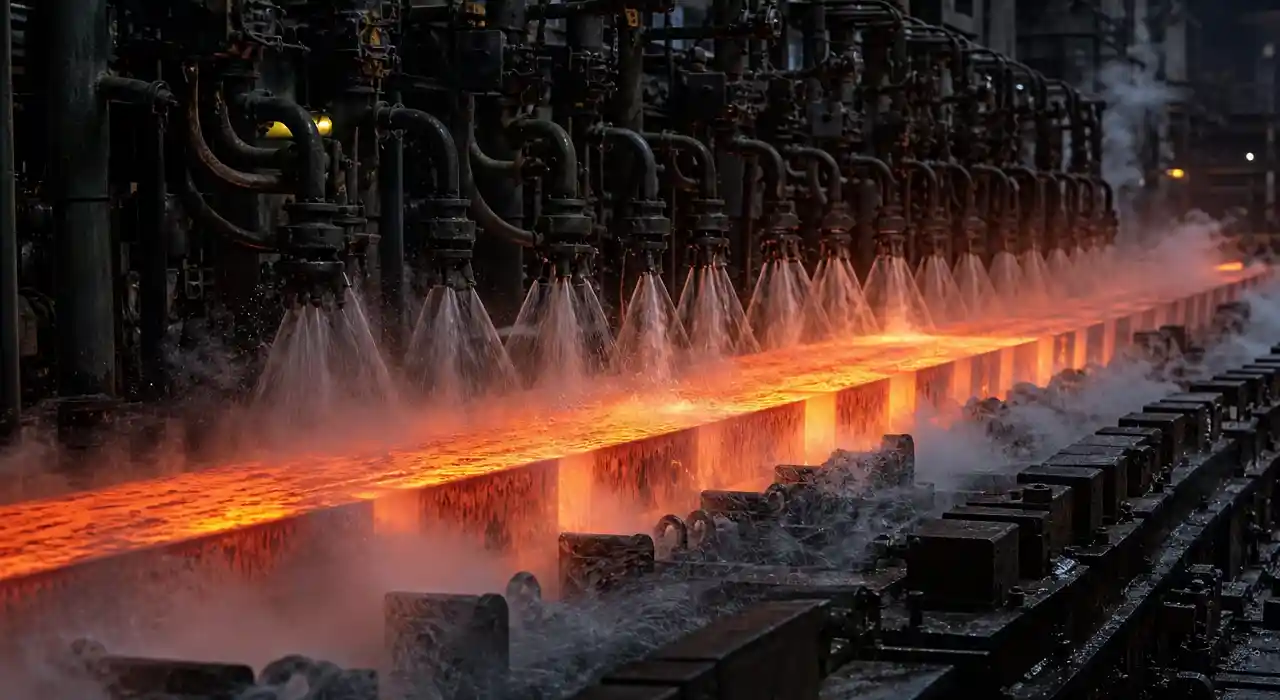
Precise cooling of slabs, billets, and blooms during continuous casting to control grain structure and prevent cracks. Water spray is applied in the secondary cooling zone to achieve the desired metallurgical properties.
Associated Industries: Steel & Metallurgy
Cooling Challenges:
Recommended Products:
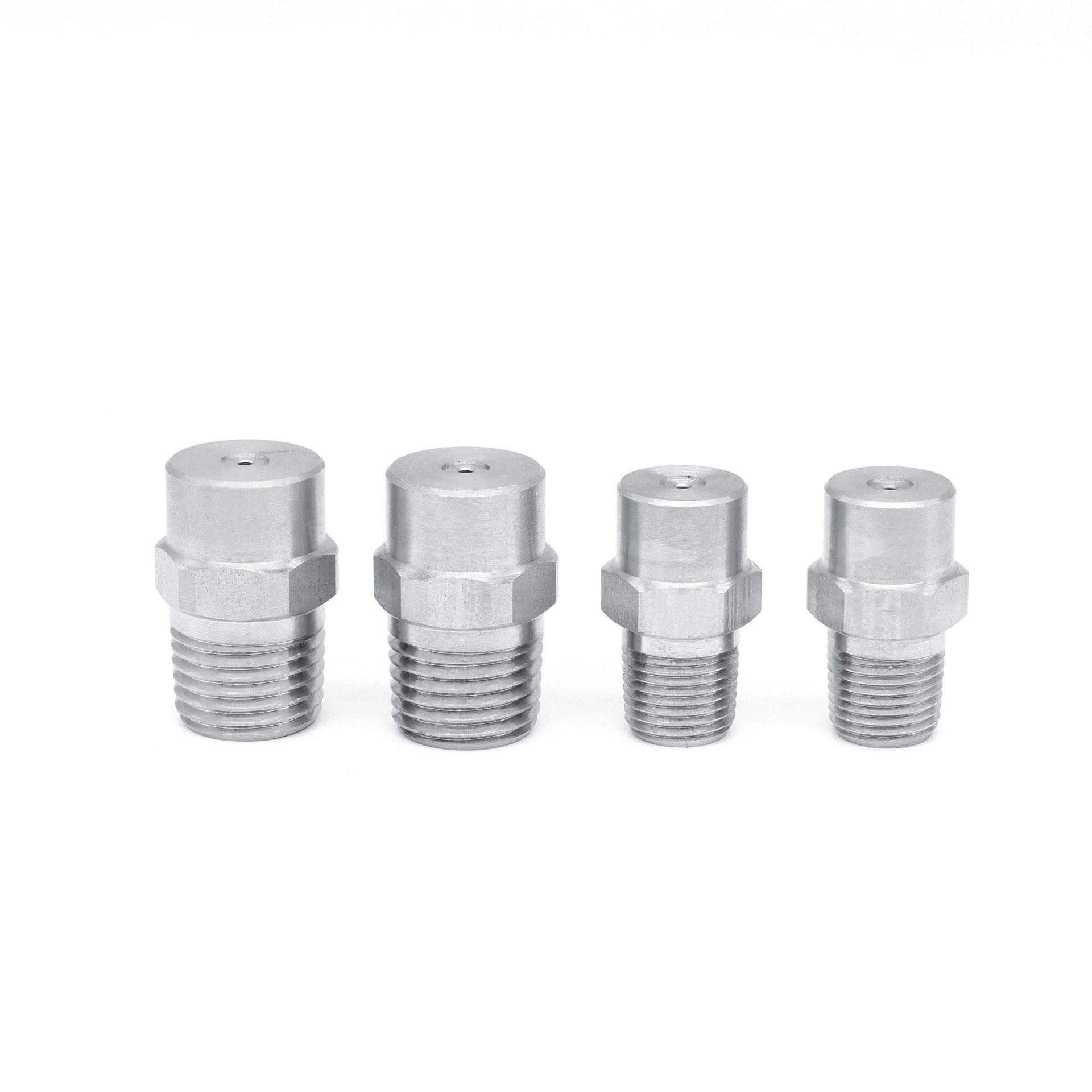 BB Standard Full Cone (89) – 43°–106°, Brass/SS
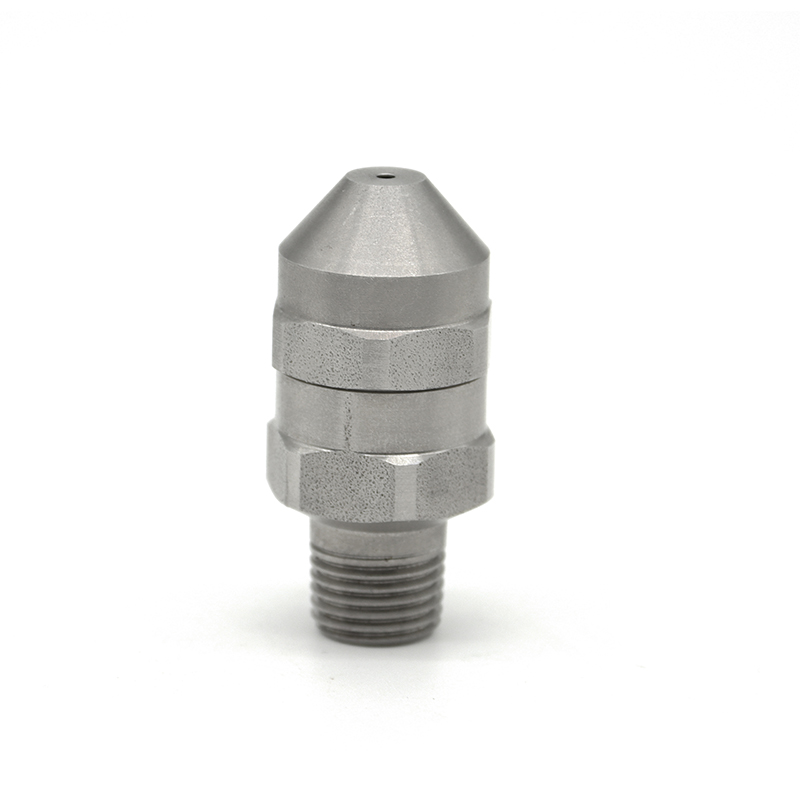 BB Narrow Angle Full Cone (83) – 15°/30°, Stainless Steel
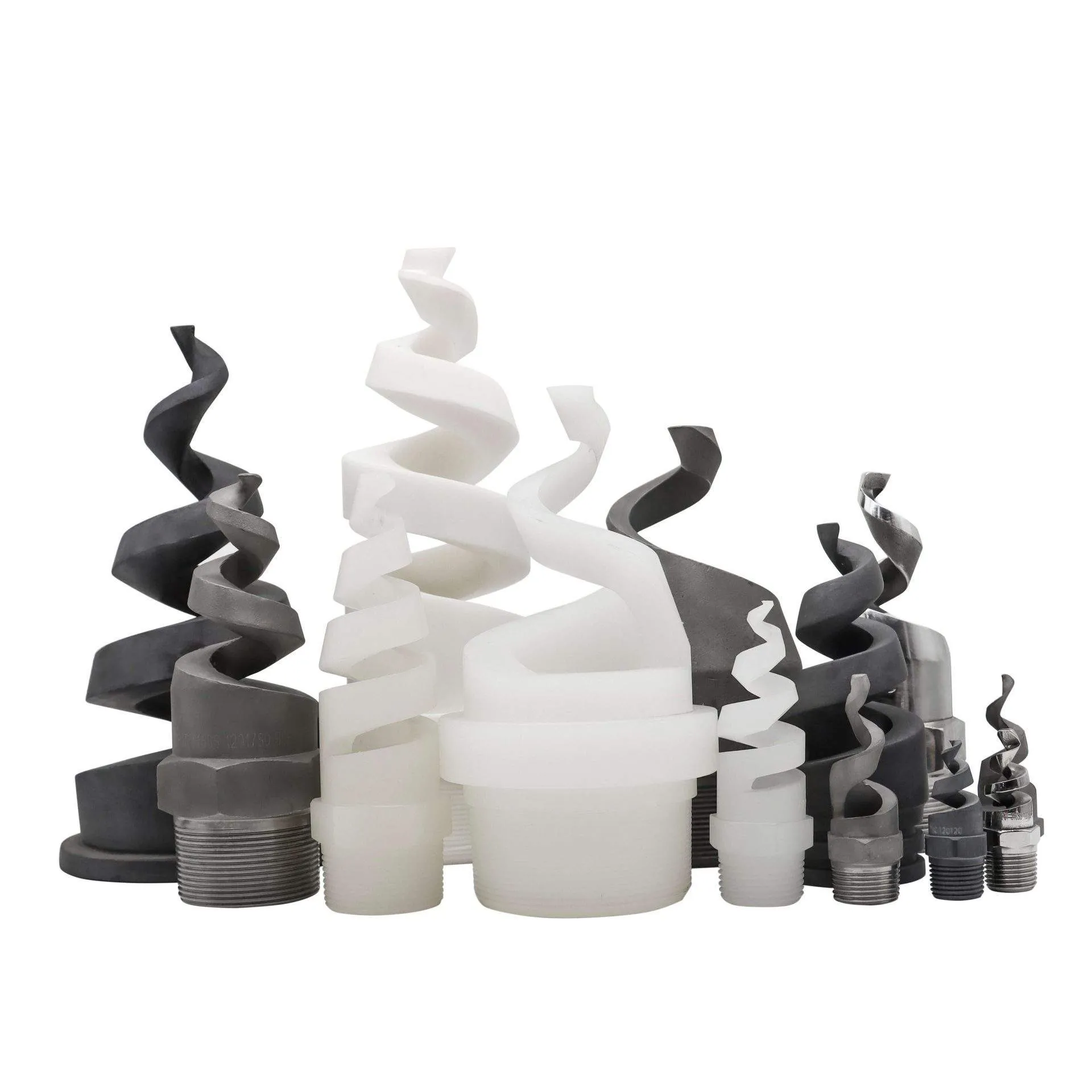 SPJT Spiral Nozzle (79) – 60°–170°, 5.5–4140 L/min
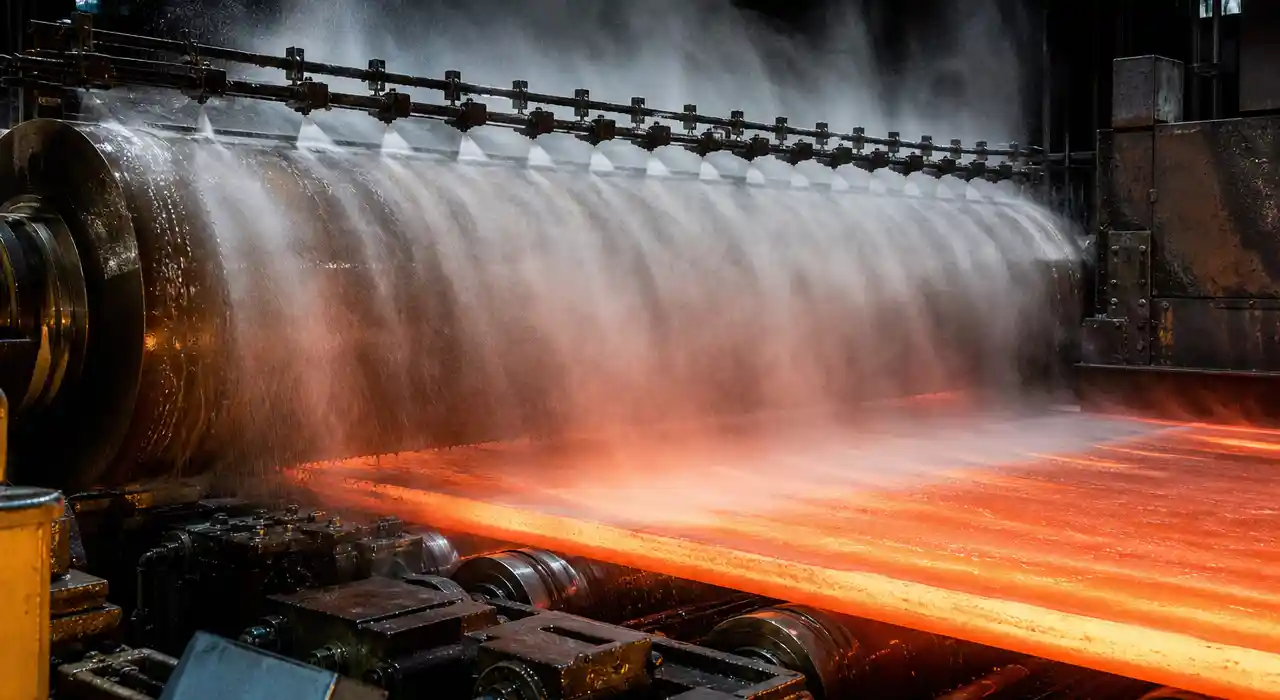
Cooling of work rolls and backup rolls in hot and cold rolling mills to maintain roll profile, reduce thermal crown, and extend service life. Effective cooling also improves strip flatness and surface quality.
Associated Industries: Steel & Metallurgy
Cooling Challenges:
Recommended Products:
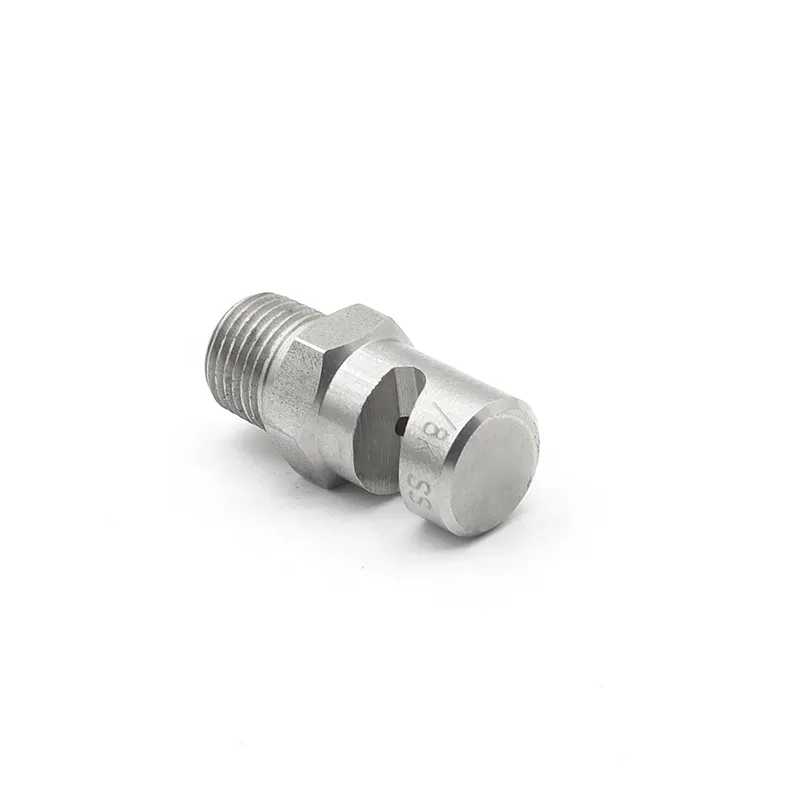 W Wide Angle Flat Fan (64) – 70°–140°, 0.2–4 bar
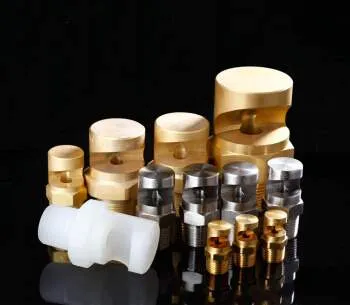 WC001 Wide Angle Fan (78) – 83°–150°, 410 L/min
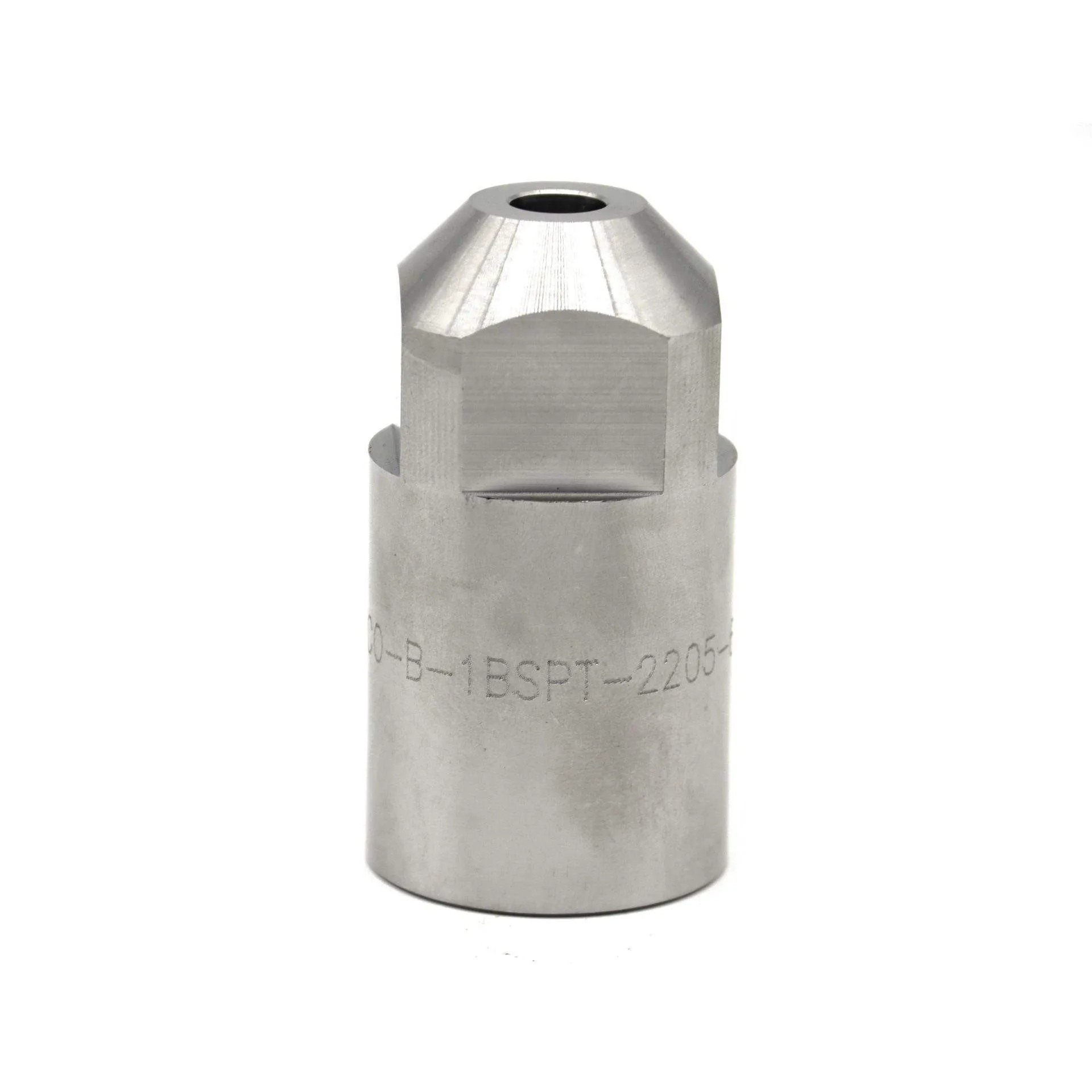 BBG Narrow Angle Full Cone (91) – 15°/30°, removable cap
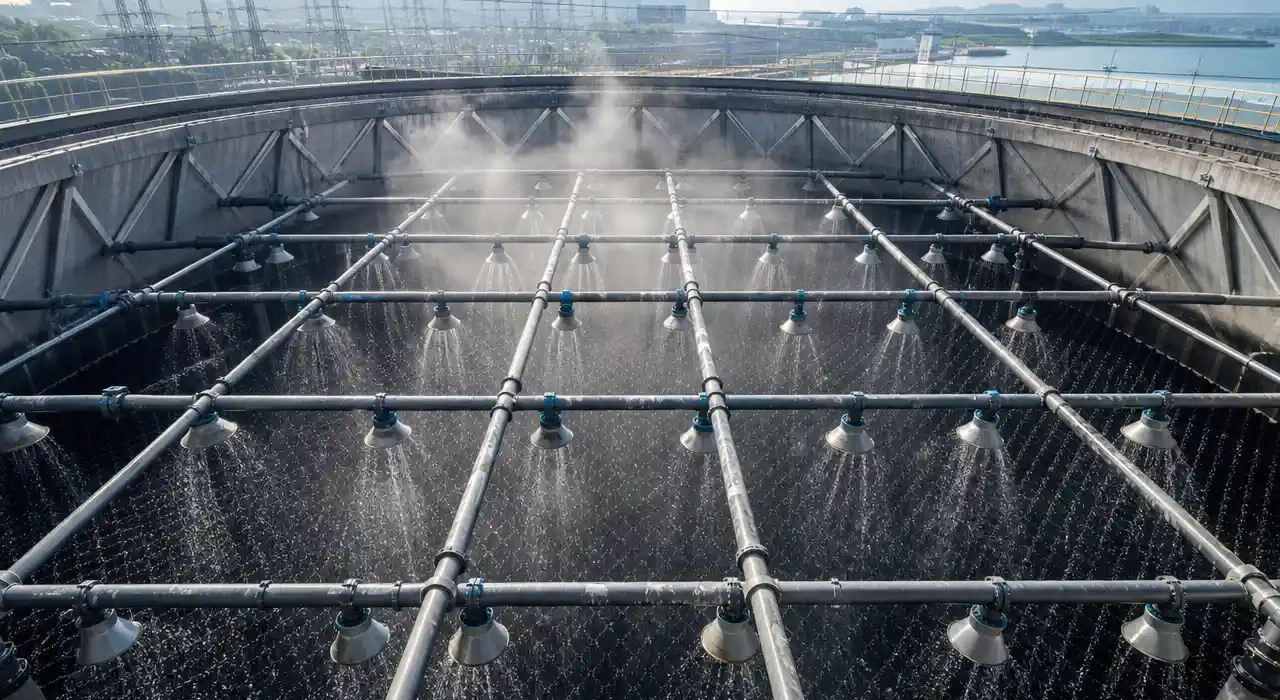
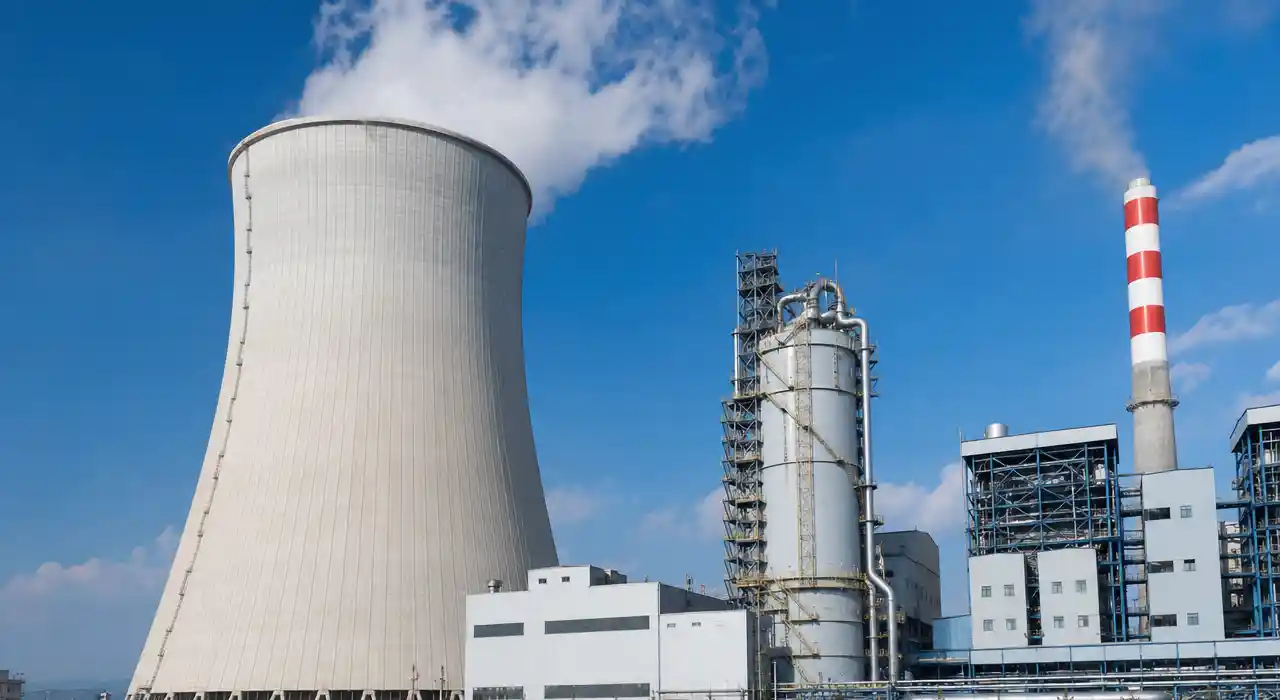
Efficient water distribution in cooling towers to maximize heat exchange and minimize drift loss. Proper nozzle selection ensures uniform wetting of fill media, improving thermal performance and reducing water consumption.
Associated Industries: Power Generation · Chemical
Cooling Challenges:
Recommended Products:
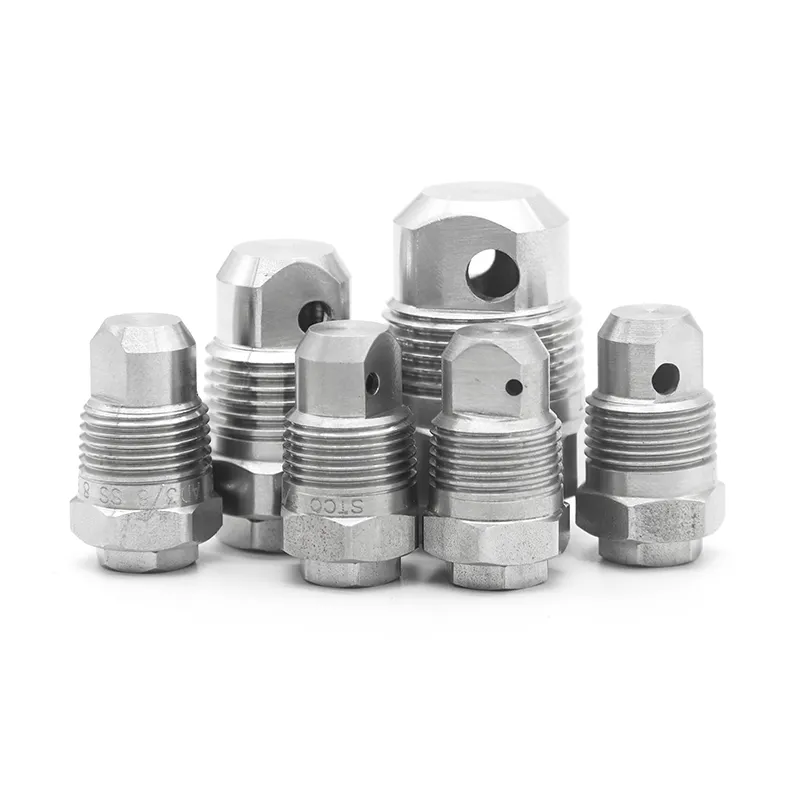 AD Hollow Cone (121) – 50°–90°, 145 L/min
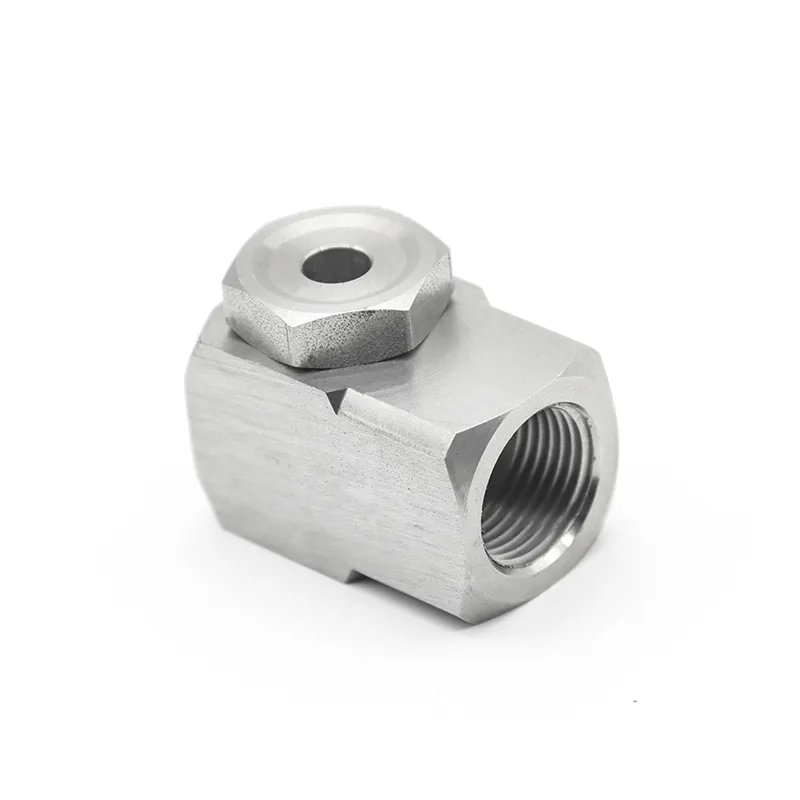 AA/A Hollow Cone (123) – 51°–114°, 100–300μm
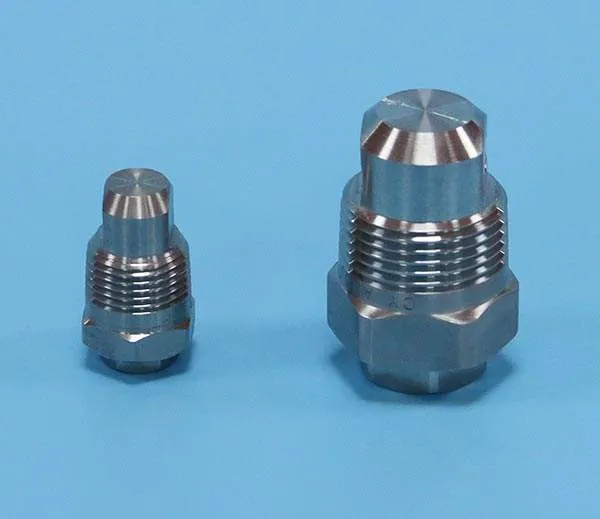 AD Axial Hollow Cone (128) – 50°–90°, Stainless Steel
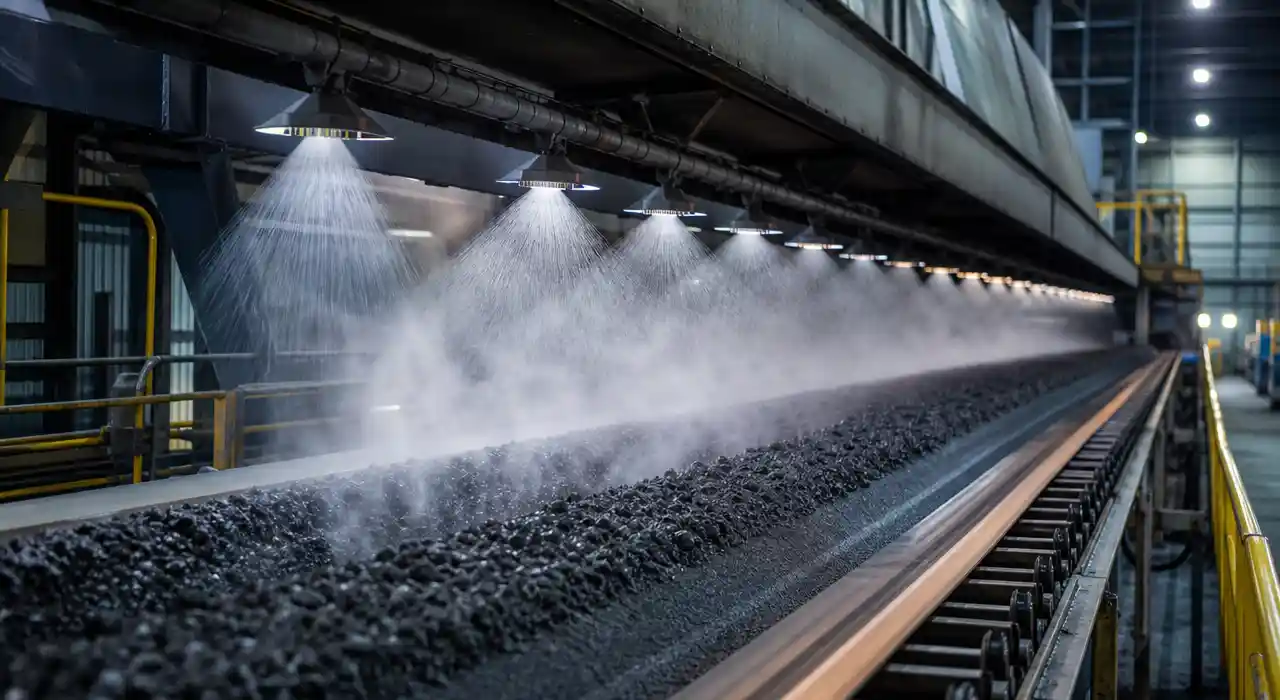
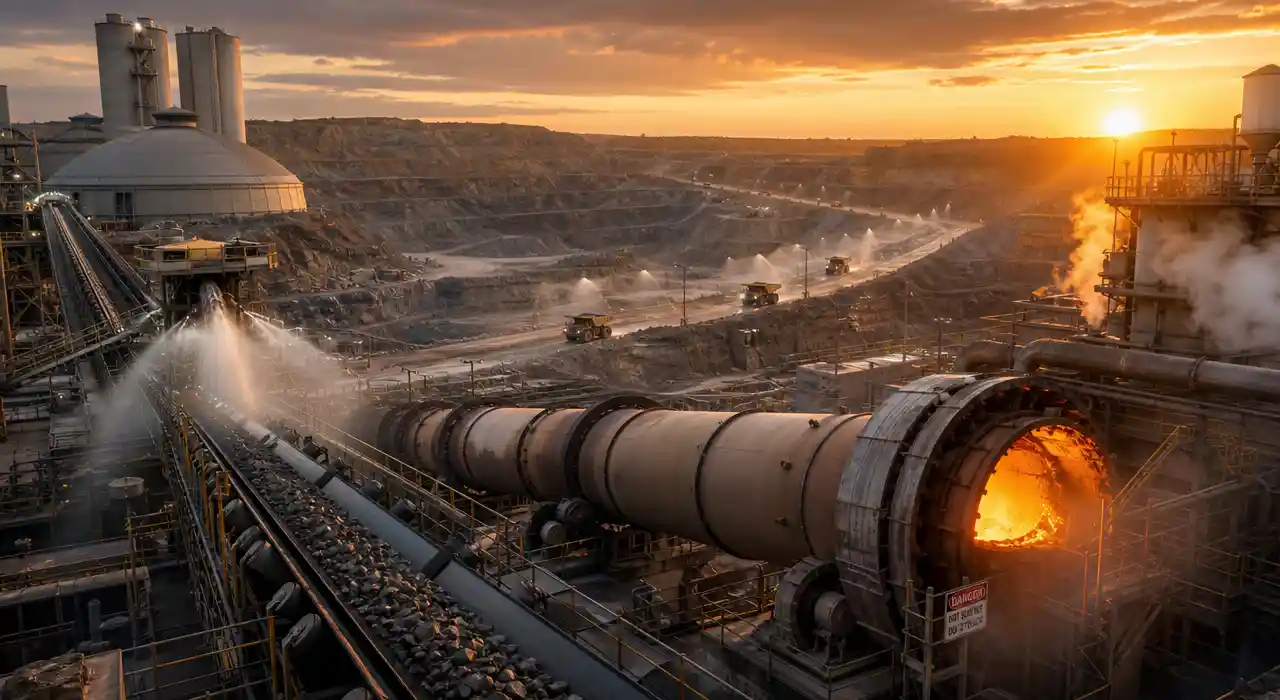
Spray cooling of materials on conveyor belts to control temperature in food processing, chemical production, and mining. Helps prevent caking, maintains product quality, and reduces dust emissions.
Associated Industries: Food · Chemical · Mining
Cooling Challenges:
Recommended Products:
W Wide Angle Flat Fan (64) – 70°–140°, 0.2–4 bar
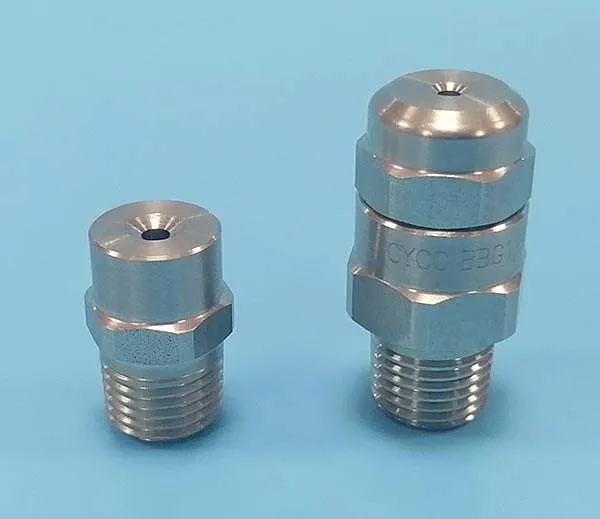 BG-W Wide Angle Full Cone (88) – 110°–120°, 7370 L/min
WC001 Wide Angle Fan (78) – 83°–150°, 410 L/min
BG-W Wide Angle Full Cone (88) – 110°–120°, 7370 L/min
WC001 Wide Angle Fan (78) – 83°–150°, 410 L/min
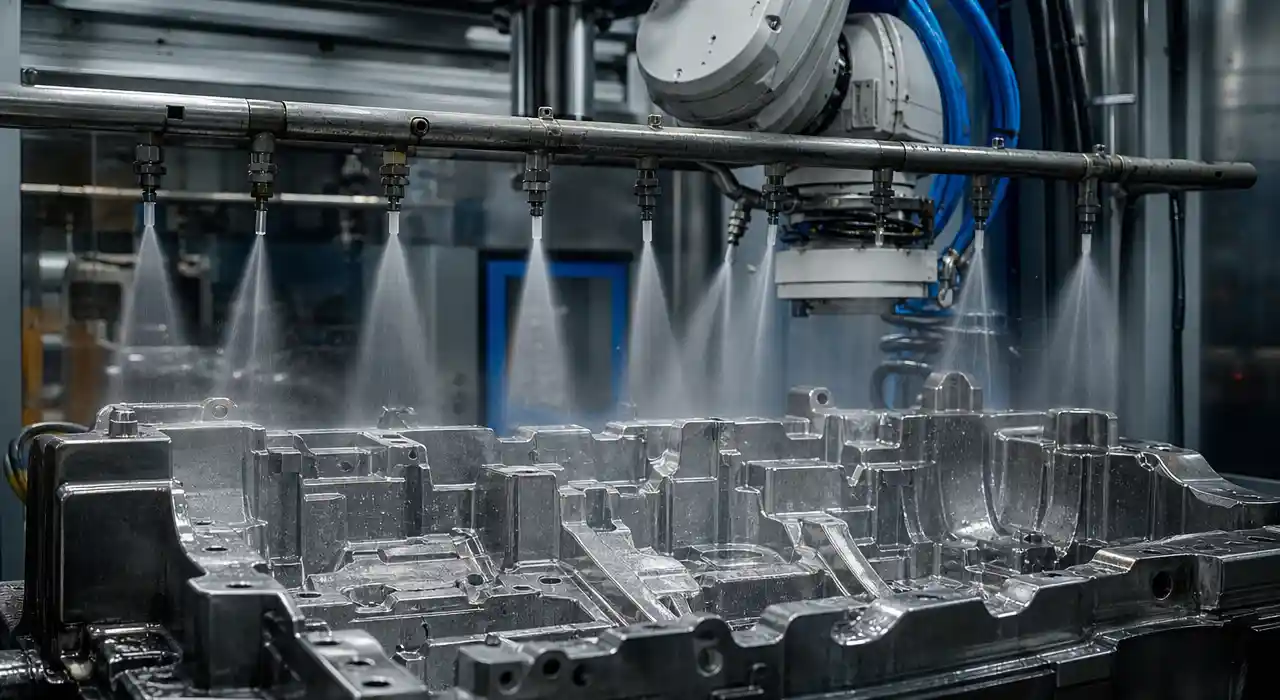
Cooling of extrusion dies, injection molds, and casting dies to control product dimensions and cycle time. Uniform cooling reduces warpage and improves part quality.
Associated Industries: Automotive · Plastics
Cooling Challenges:
Recommended Products:
WC001 Wide Angle Fan (78) – 83°–150°, 410 L/min
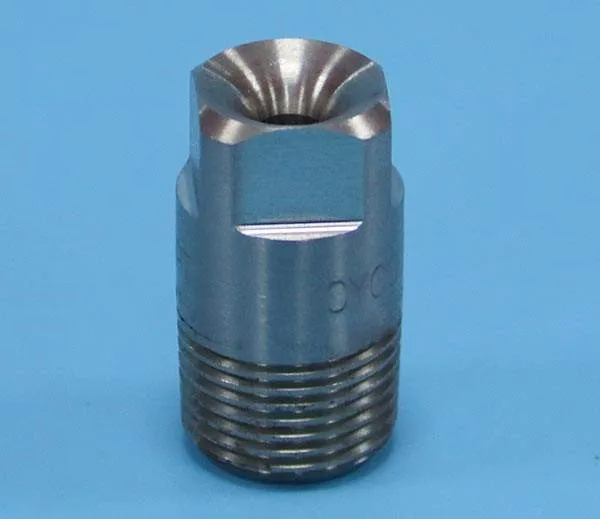 14WSQ Square Full Cone (92) – 93°–115°, uniform spray
W Wide Angle Flat Fan (64) – 70°–140°, 0.2–4 bar
14WSQ Square Full Cone (92) – 93°–115°, uniform spray
W Wide Angle Flat Fan (64) – 70°–140°, 0.2–4 bar
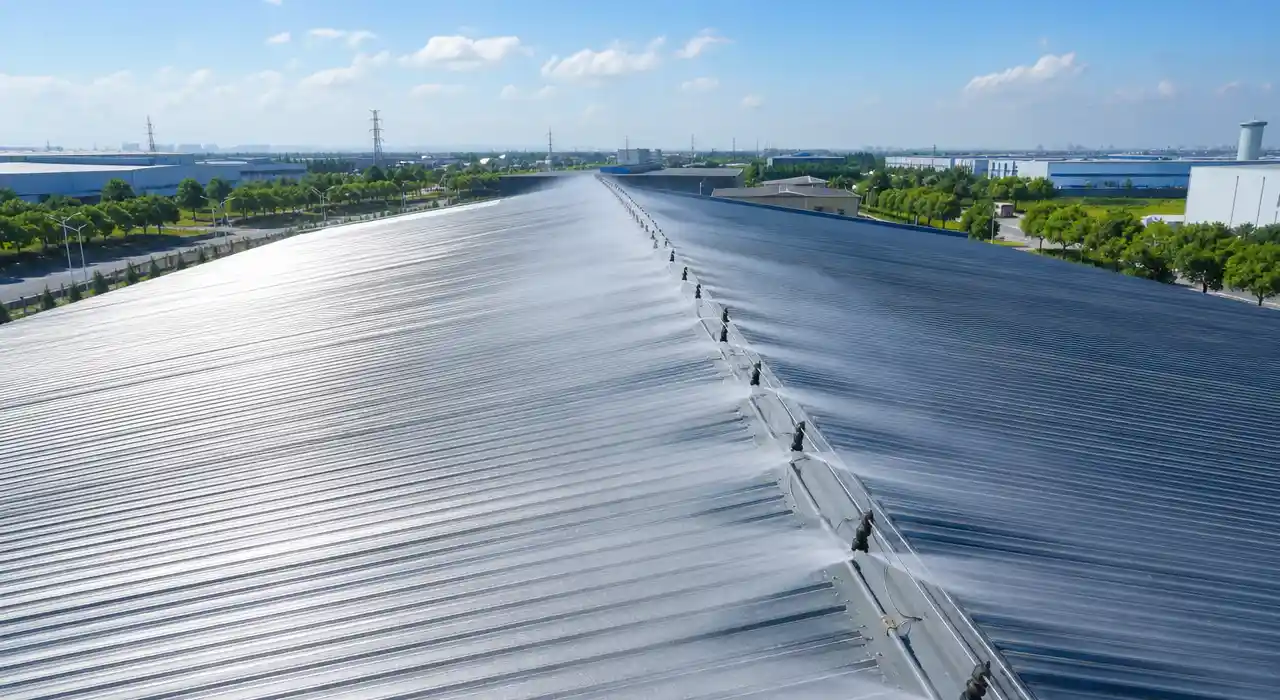
Evaporative cooling of industrial building roofs to reduce internal temperatures and energy costs. Spray systems are effective for large factory and warehouse roofs.
Associated Industries:
Cooling Challenges:
Recommended Products:
W Wide Angle Flat Fan (64) – 70°–140°, 0.2–4 bar
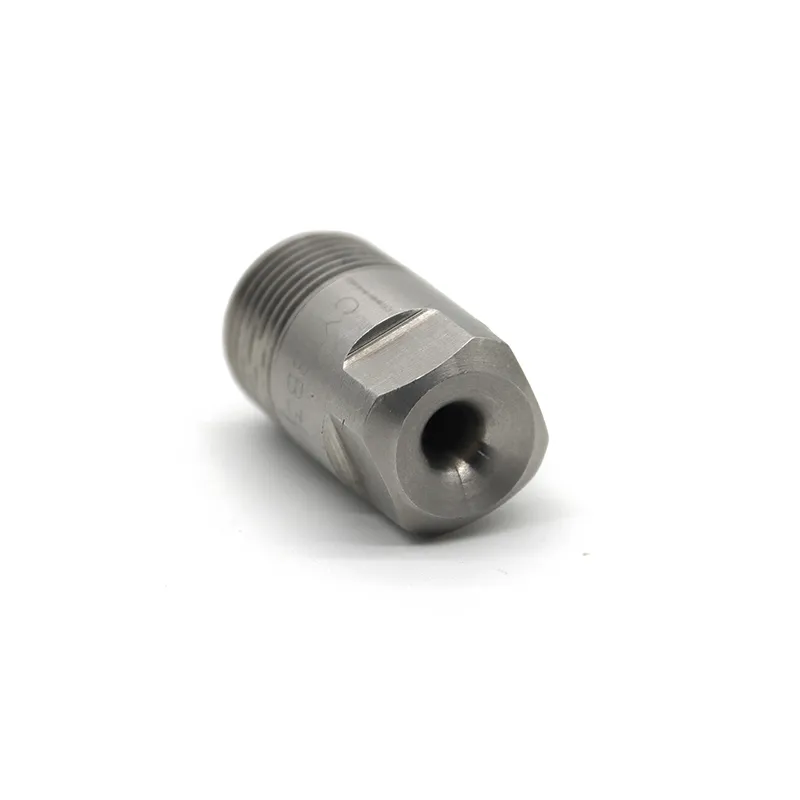 BB Wide Angle Full Cone (81) – 120°, uniform distribution
WC001 Wide Angle Fan (78) – 83°–150°, 410 L/min
BB Wide Angle Full Cone (81) – 120°, uniform distribution
WC001 Wide Angle Fan (78) – 83°–150°, 410 L/min
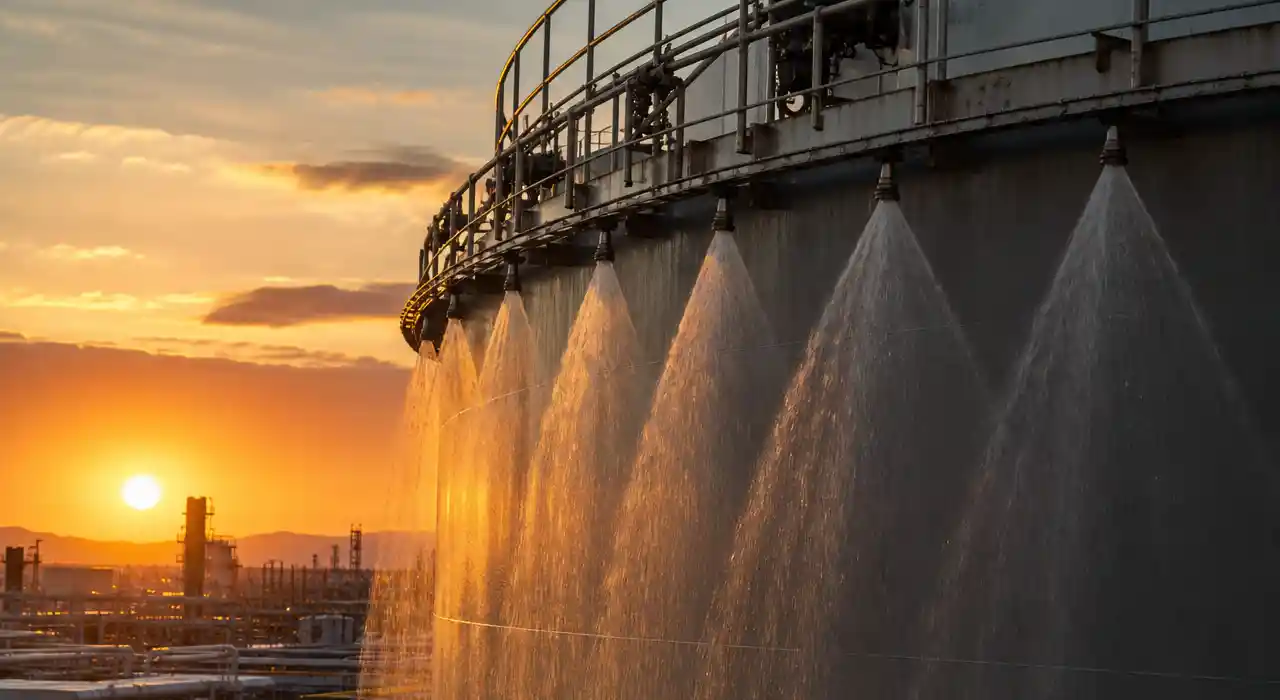
External cooling of storage tanks to control internal pressure and prevent vaporization of volatile contents. Spray systems are used to keep tank surfaces cool during hot weather.
Associated Industries: Oil & Gas · Chemical
Cooling Challenges:
Recommended Products:
BG-W Wide Angle Full Cone (88) – 110°–120°, 7370 L/min
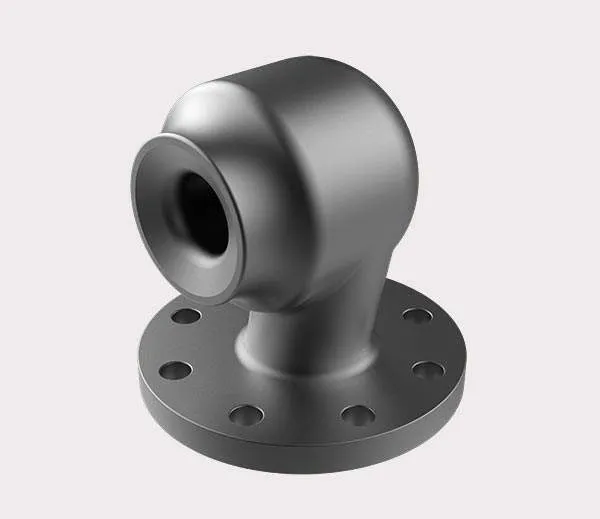 LC-200 Large Flow Hollow Cone (129) – 70°–90°, carbide silicone
BB Standard Full Cone (89) – 43°–106°, Brass/SS
LC-200 Large Flow Hollow Cone (129) – 70°–90°, carbide silicone
BB Standard Full Cone (89) – 43°–106°, Brass/SS
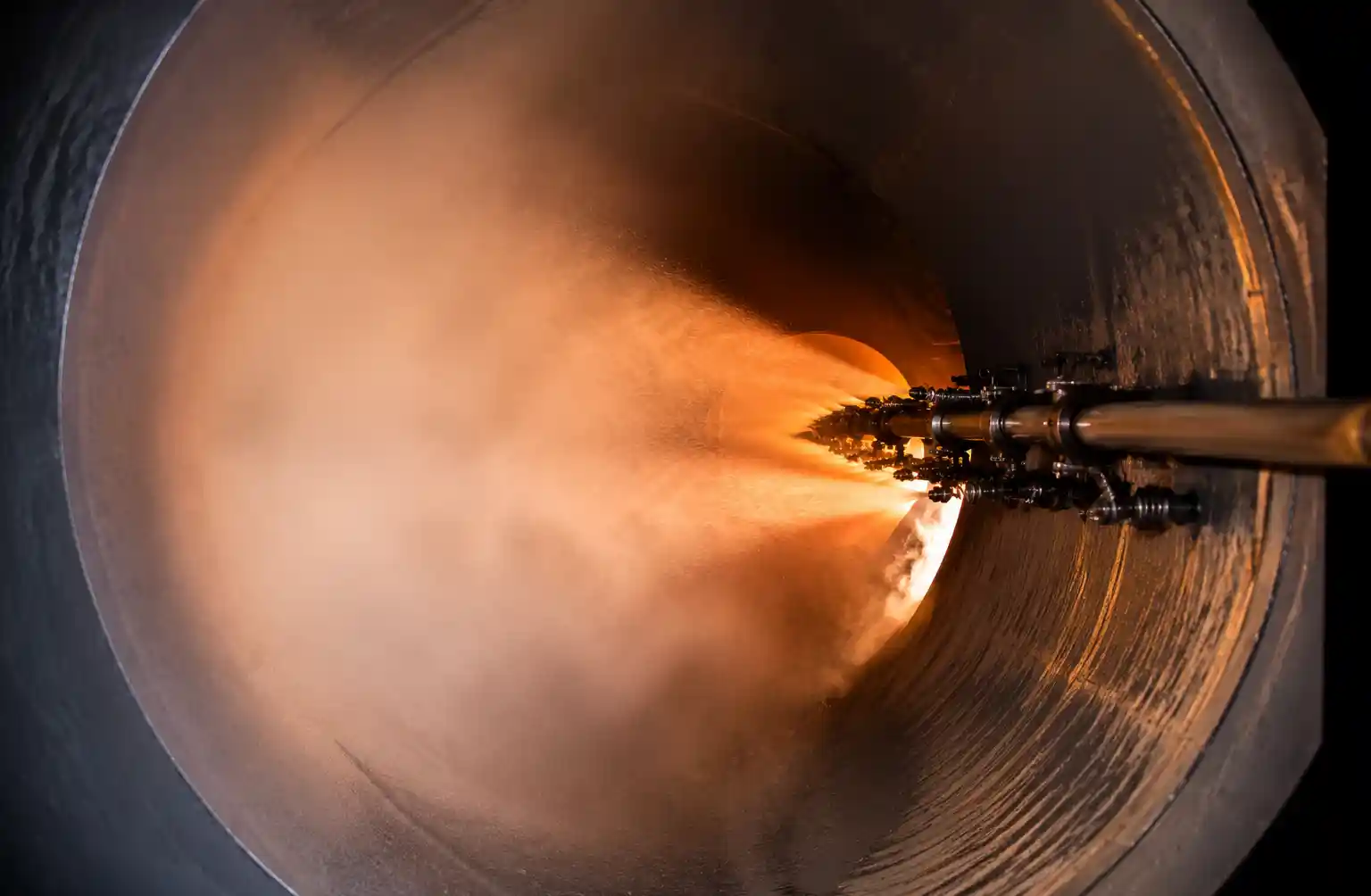
Quenching and cooling of flue gases, process gases, and exhaust streams to protect downstream equipment and meet emissions requirements. Fine atomization ensures rapid evaporation.
Associated Industries: Power · Chemical · Environmental
Cooling Challenges:
Recommended Products:
SPJT Spiral Nozzle (79) – 60°–170°, 5.5–4140 L/min
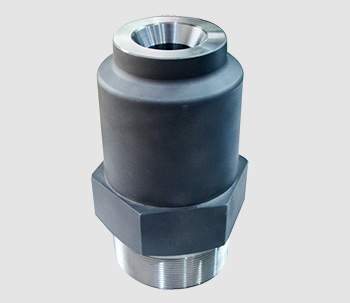 DP Max Passage Full Cone (86) – 60°–120°, 8180 L/min
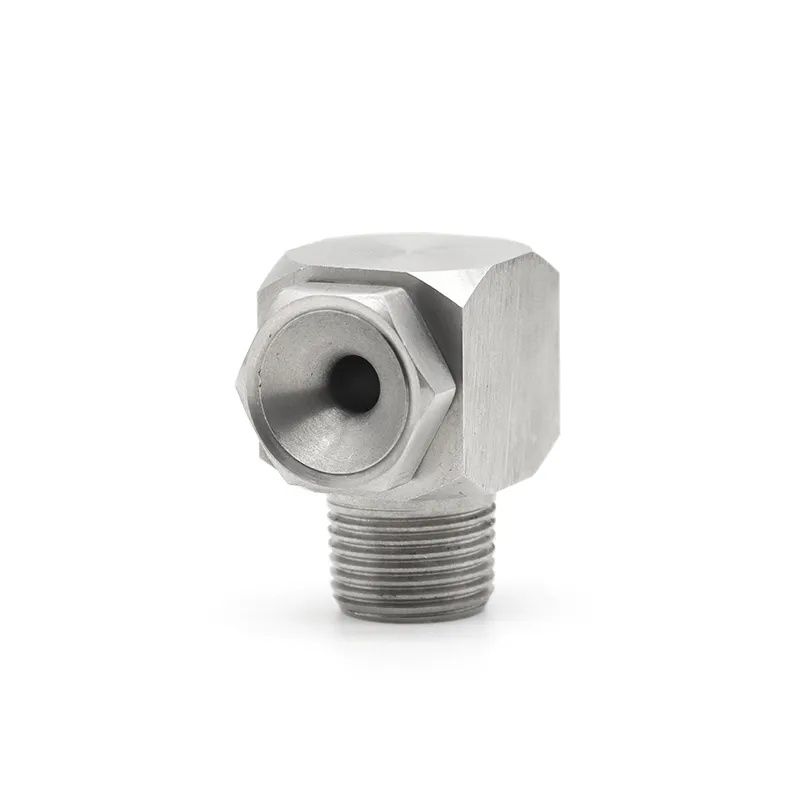 1/8-AA Hollow Cone (124) – 51°–144°, 0.2–7 bar
Explore cooling nozzle solutions specific to your sector
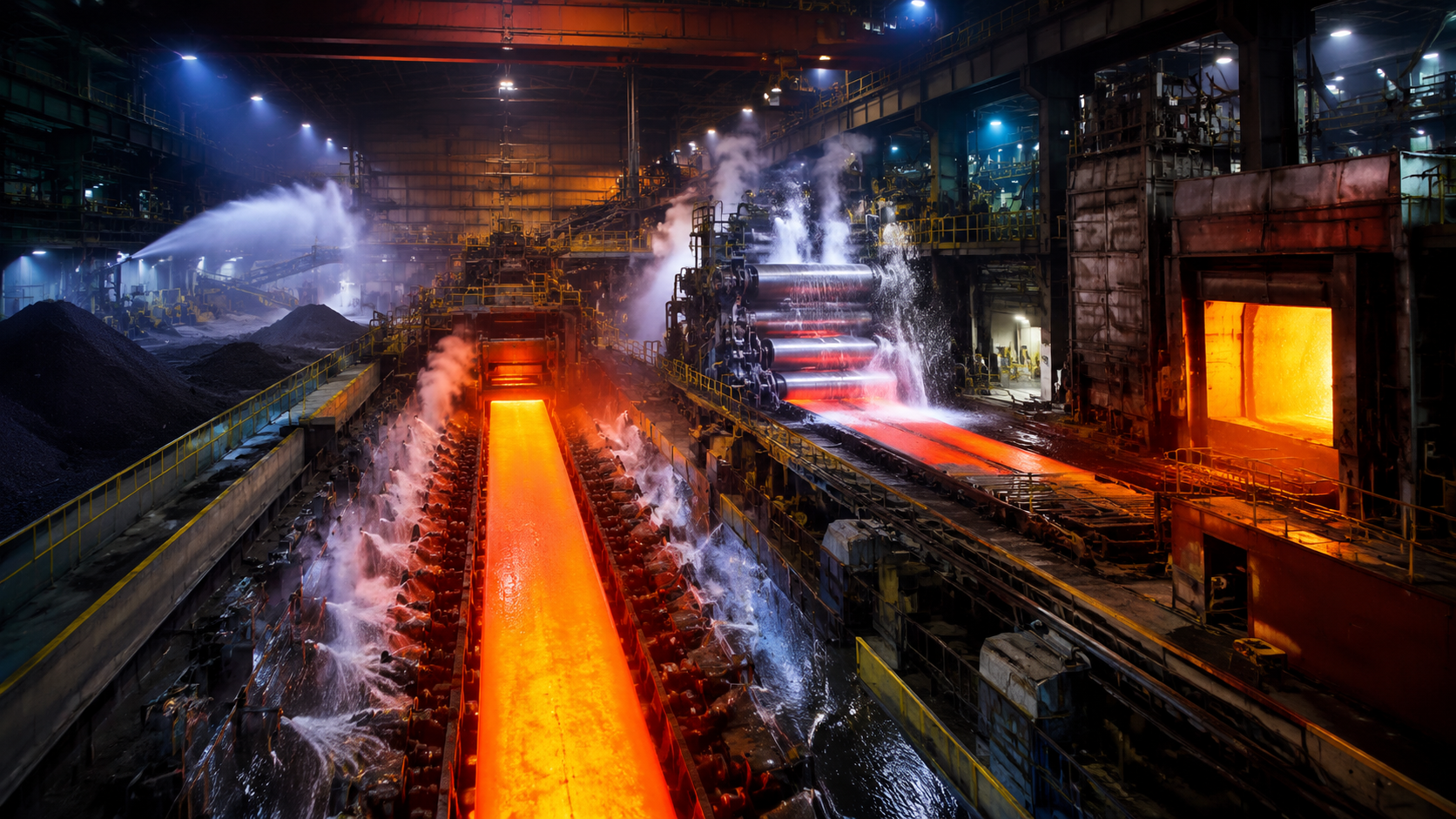
Casting cooling, roll cooling, descaling
Top picks: BB Narrow · BB Full Cone
Learn More →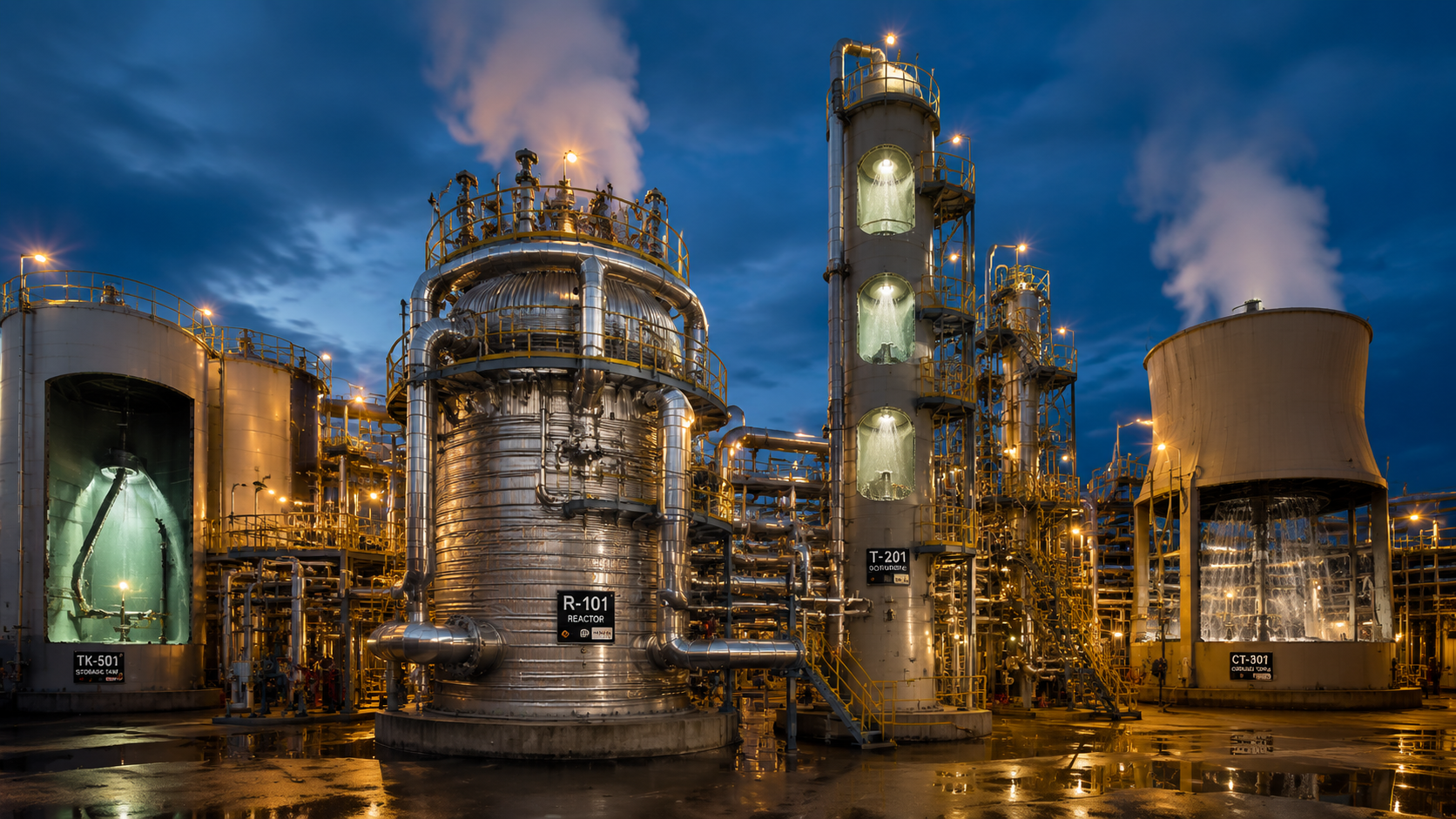

Don't see your industry? View all industries we serve →

Full cone nozzles provide uniform coverage for large areas. Flat fan nozzles are ideal for surface cooling. Spiral nozzles offer clog-resistant operation for dirty water.
Use spiral or large passage nozzles. Install strainers upstream and select orifice sizes appropriate for water quality.
For narrow surfaces (rolls, strips), use 15°–30° narrow angle nozzles. For large areas (cooling towers, roofs), use 90°–120° wide angle nozzles.
316L stainless steel is suitable up to 400°C. For extreme heat (>800°C), consider silicon carbide or ceramic nozzles.
Yes, but cleaning requires higher pressure. Choose a nozzle with a wide pressure range, such as the CC Flat Fan (0.3–35 bar).
Inspect nozzles weekly for clogging and wear. In high‑scale water systems, replace strainers monthly and clean nozzles every 3 months.
20+ Years Engineering Experience – Free Consultation