



Automotive Manufacturing Spray Nozzles Manufacturer
Precision spray nozzle systems for the automotive manufacturing industry. Consistent performance in paint booth applications, pre-treatment washing, parts cleaning, cooling systems, and surface preparation across body shops, powertrain manufacturing, and final assembly lines.
Industry Overview
The automotive manufacturing industry demands precision spray technology
for consistent product quality. Modern automotive plants face challenges
including achieving uniform coating finishes, reducing paint and chemical
consumption, meeting environmental emissions standards, and maintaining
high-speed production efficiency.
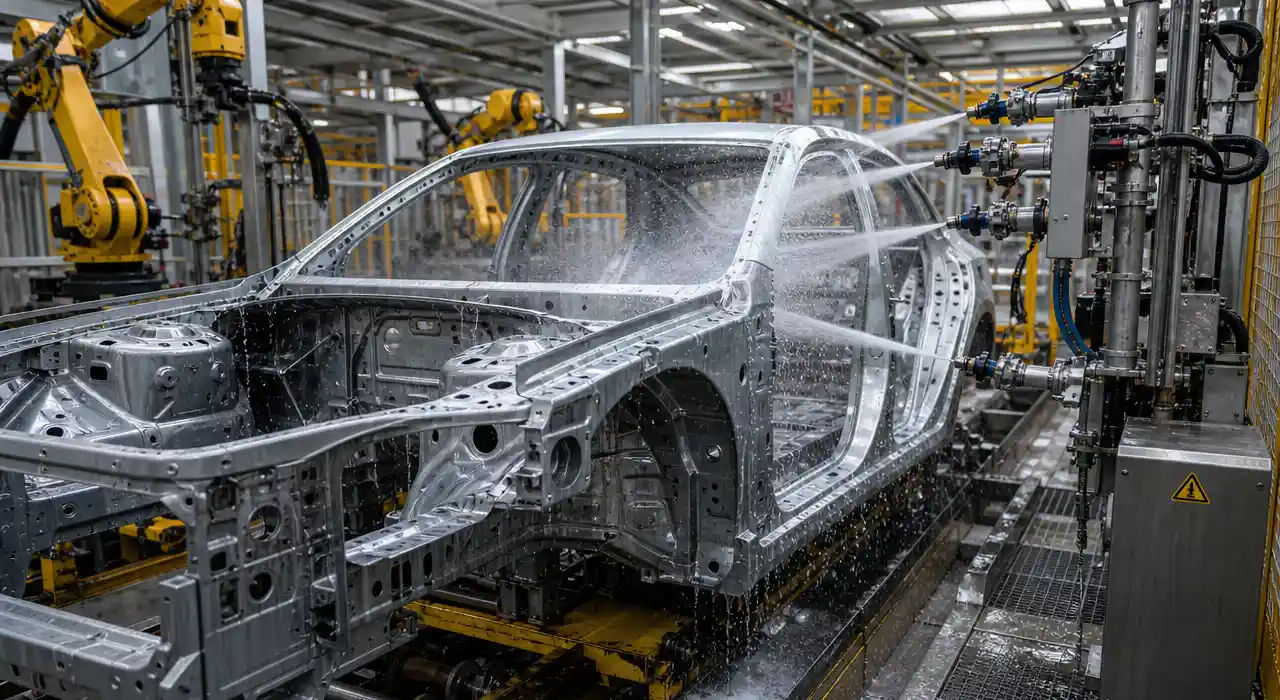
Spray nozzles are critical in body shop operations for pre-treatment
phosphating and cleaning, paint application for primer and topcoat
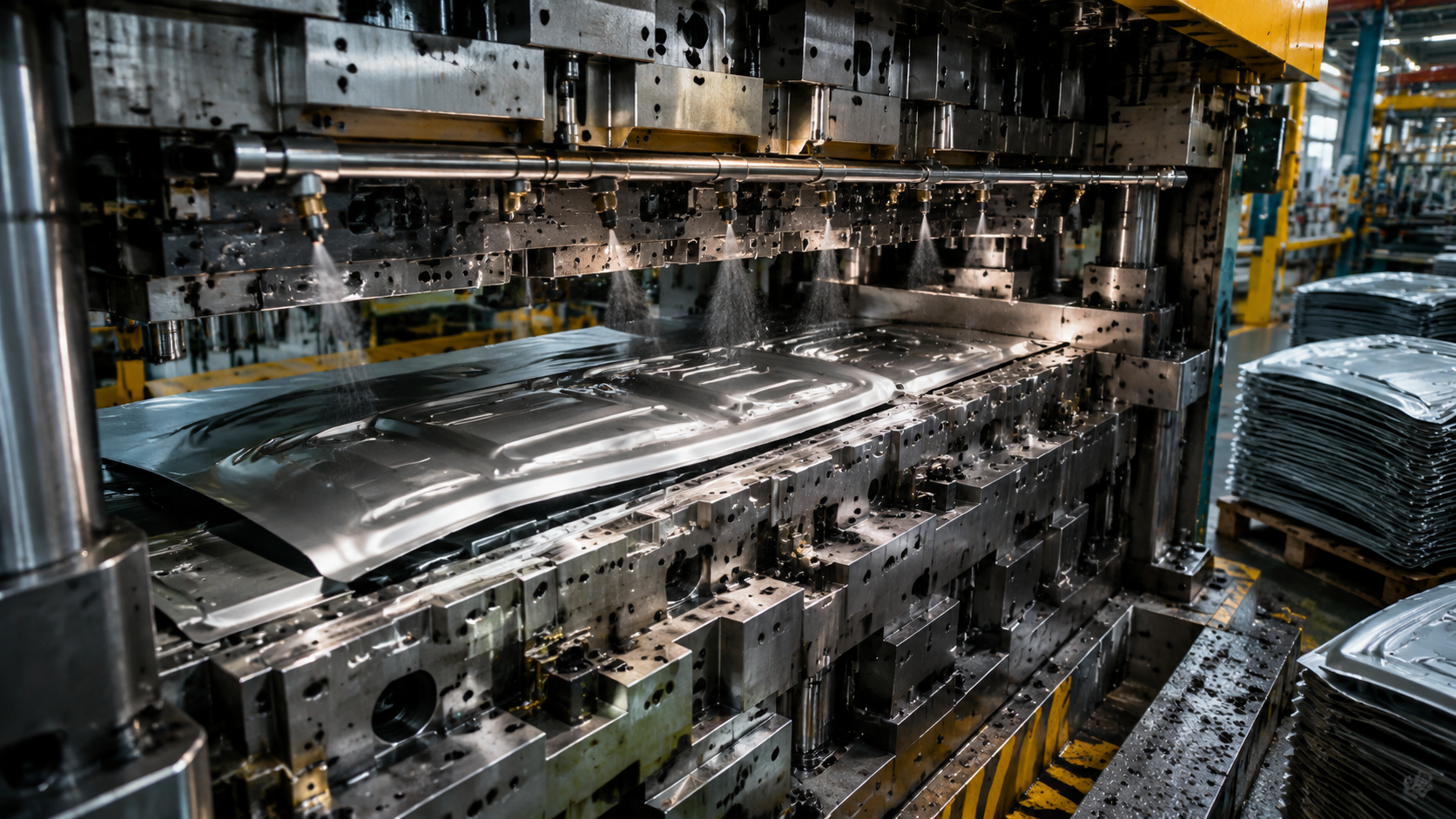
systems, powertrain manufacturing for parts washing and cooling, stamping
operations for lubrication and die cooling, and final assembly for
adhesive application and quality inspection cleaning.
Automotive Production Process
Body Stamping
Lubrication & Die Cooling
Body Welding
Weld Cleaning & Surface Prep
Pre-Treatment
Phosphating & Degreasing
Paint Shop
E-Coat, Primer, Base Coat, Clear Coat
Powertrain Assembly
Parts Washing & Cooling
Final Assembly
Adhesive Application & Inspection
Automotive Manufacturing Challenges & Solutions
Achieving Uniform Paint Finish Quality
ChallengeInconsistent atomization and spray patterns cause coating defects including orange peel, runs, sags, and dry spray. Variations in film thickness lead to appearance issues and reduced corrosion protection. Automotive OEM finish specifications require defect rates below 1 per 100 vehicles, and premium brands demand flawless Class-A surface finishes on every body panel with zero visible defects under inspection lighting.
SolutionOur precision air atomizing nozzles deliver consistent droplet size distribution of 20-80 microns for optimal flow and leveling, maintain uniform spray patterns across wide application areas with ±5% variation, feature automatic cleaning systems preventing tip clogging during continuous production, and integrate with robotic spray systems for repeatable application paths ensuring consistent film build on complex body geometries including door jambs, wheel arches, and character lines.
View Coating & Spraying Solutions →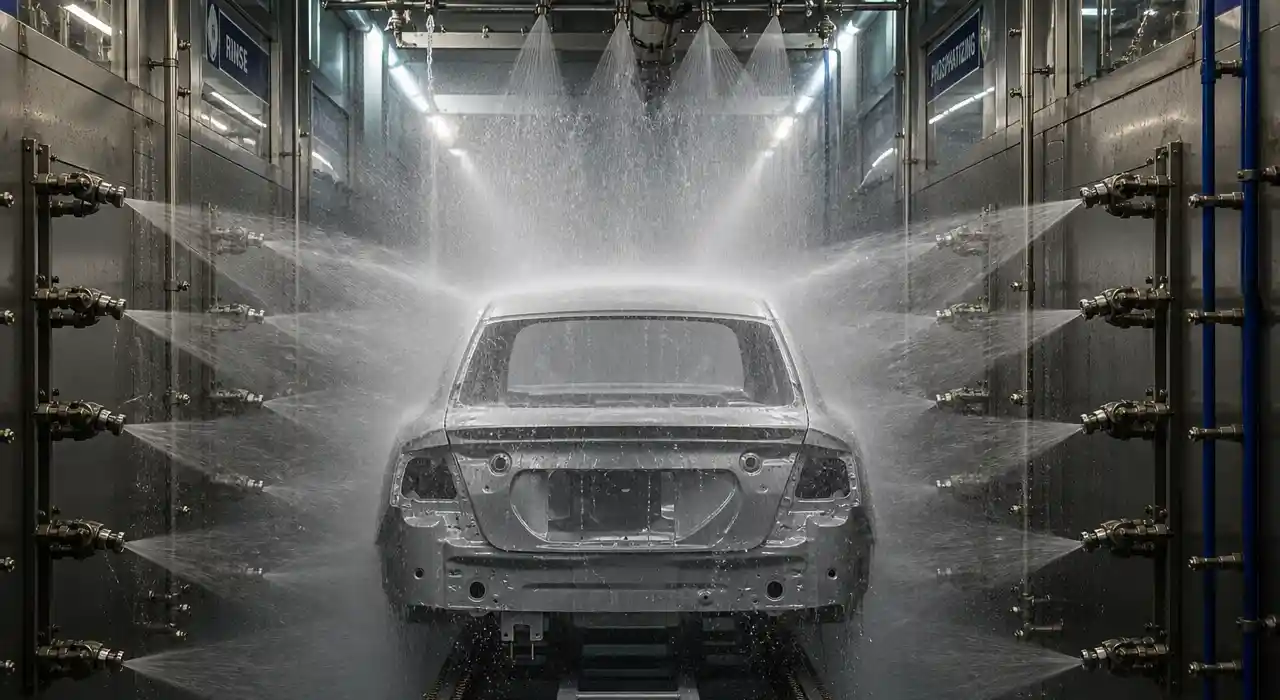
Reducing Paint and Chemical Consumption
ChallengeAutomotive paint costs $50-150 per liter with typical body shops consuming thousands of liters daily. Overspray waste represents 30-50% of material usage in conventional spray systems, translating to millions of dollars in annual material costs for a single plant. Rising material costs, VOC emission regulations, and sustainability targets pressure manufacturers to reduce consumption without compromising coating quality or production throughput.
SolutionOur optimized spray nozzles reduce material consumption by 25-40% through high transfer efficiency atomization minimizing overspray, electrostatic spray-compatible designs charging paint droplets for attraction to grounded body panels achieving transfer efficiencies of 85-95%, HVLP (high volume low pressure) nozzles operating at reduced air pressure for controlled application, and precision flow control matching material delivery to actual coverage requirements based on vehicle geometry and coating specifications.
View Coating & Spraying Solutions →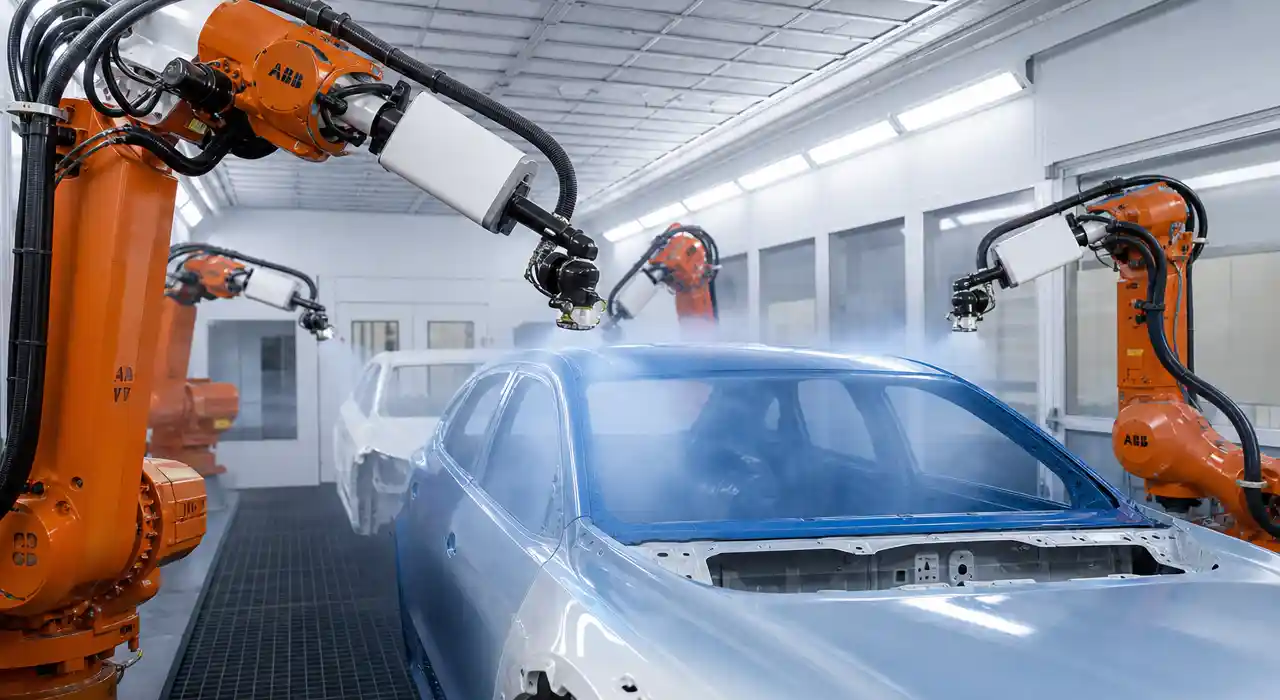
Ensuring Complete Parts Cleaning
ChallengePowertrain components with complex internal passages, blind holes, and tight tolerances require complete removal of machining residues, oils, and metal particles. Residual contamination causes assembly defects, premature wear, and warranty failures costing manufacturers millions in claims. Engine blocks failing cleanliness specifications require costly rework operations or complete scrapping, disrupting just-in-time production schedules and increasing per-unit manufacturing costs.
SolutionOur parts washing nozzles deliver high-impact flat fan patterns concentrating cleaning force at critical surfaces with penetration into oil galleries and water jacket passages, rotating spray manifolds providing 360-degree coverage inside cylinder bores and transmission cases eliminating shadow zones, chemical-resistant materials including 316L stainless steel and PVDF withstanding aggressive alkaline and acidic cleaners at elevated temperatures (60-80°C), and optimized flow rates balancing cleaning effectiveness with water and energy consumption.
View Cleaning & Washing Solutions →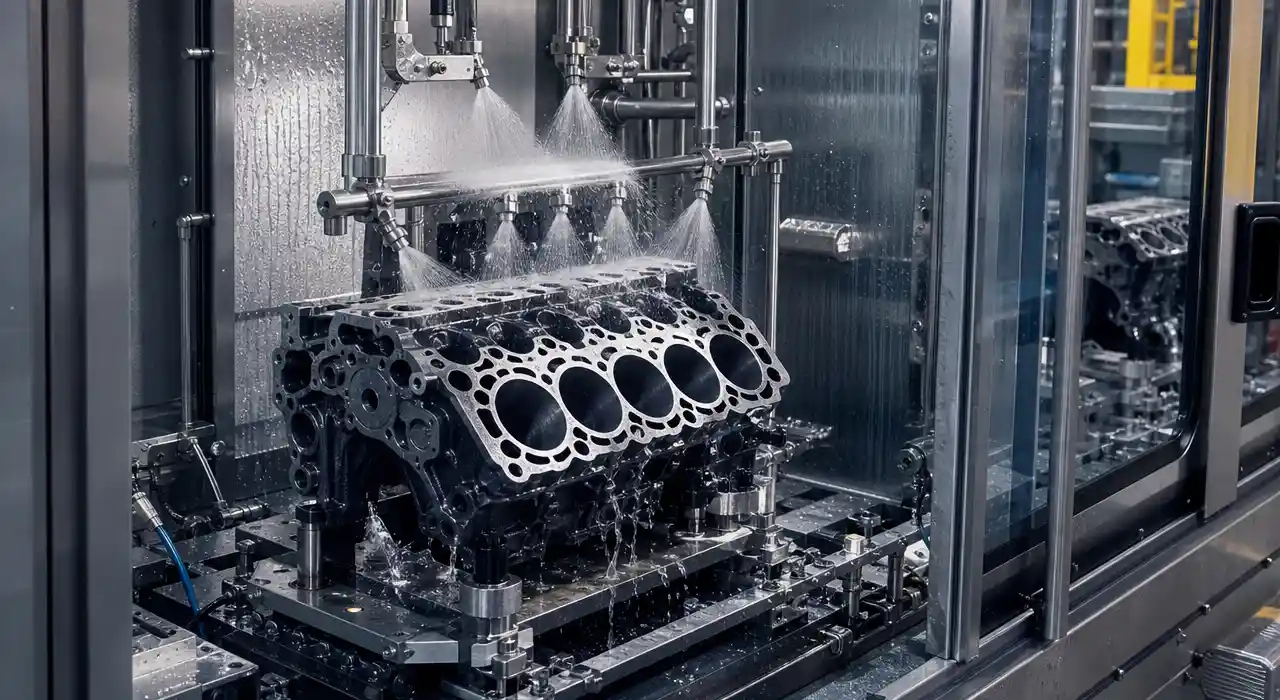
Meeting Environmental Emissions Standards
ChallengeAutomotive paint shops generate VOC (volatile organic compound) emissions regulated by EPA, EU directives, and local environmental agencies with increasingly stringent limits. Non-compliance results in production shutdowns, substantial fines exceeding $100,000 per violation, and reputational damage. Spray booth exhaust systems must capture overspray particles while minimizing energy consumption for air conditioning and filtration, with some plants spending 20-30% of total energy budget on paint shop environmental controls.
SolutionOur environmental spray systems reduce emissions through high-transfer efficiency nozzles minimizing overspray generation at source, water curtain spray walls capturing overspray particles before exhaust with 95-99% particulate removal, humidification systems controlling booth conditions for optimal paint atomization and transfer efficiency, and dry scrubber spray nozzles treating VOC emissions in abatement systems meeting regulatory limits while reducing energy consumption by 15-25% through optimized airflow management.
View Environmental Protection Solutions →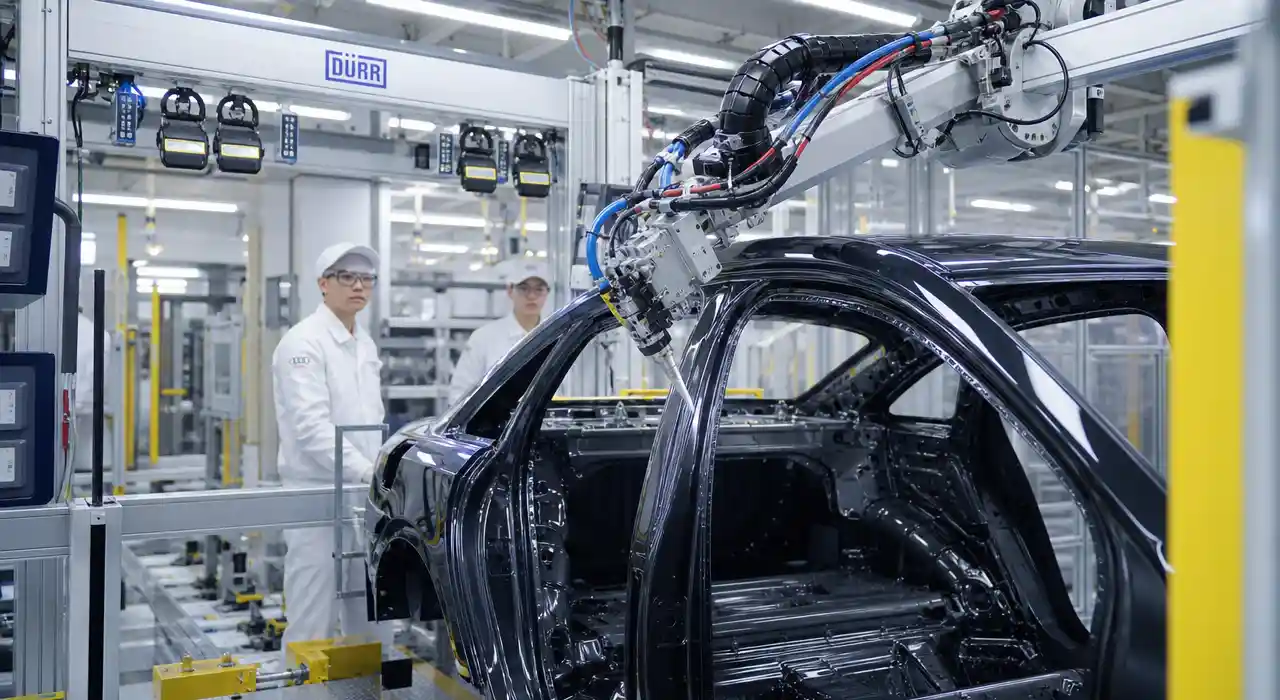
Maintaining High-Speed Production Efficiency
ChallengeModern automotive plants produce one vehicle every 45-90 seconds requiring spray systems operating continuously without failures. Nozzle clogging, inconsistent spray patterns, or material delivery interruptions halt entire production lines costing $10,000-50,000 per hour in lost production plus overtime labor for recovery. Unplanned downtime of just 2-3 hours per month can represent $500,000-$1.5 million annual production loss for a single shift operation.
SolutionOur reliable spray systems feature quick-disconnect nozzles enabling replacement in under 60 seconds during planned changeovers without line stoppage, self-cleaning designs with automatic purge cycles preventing material buildup and extending service intervals by 3-5x, redundant spray circuits maintaining full operation during individual nozzle service, and predictive maintenance monitoring detecting performance degradation through flow rate trending and spray pattern analysis before failures impact production quality or throughput.
View Automatic Spray Systems →Automotive Application Example
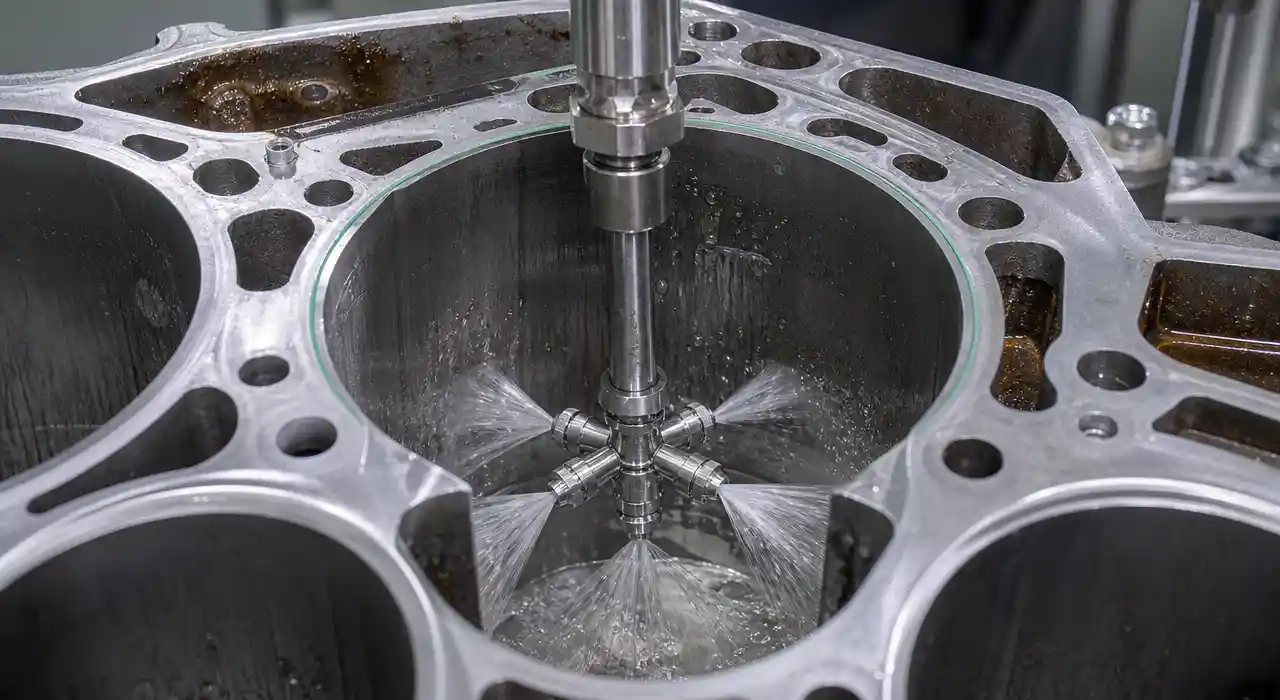
Engine Block Parts Washing Optimization
Problem: An engine manufacturing plant experienced high defect rates from inadequate cleaning of cylinder bores and oil passages. Standard spray manifolds provided inconsistent coverage leaving machining residues in critical areas. Defect rates of 3.5% required extensive rework operations, consuming 15-20% of production labor hours and delaying downstream assembly schedules. Residual contamination caused premature engine wear contributing to warranty claims exceeding $2 million annually.
Solution: Designed custom rotating spray manifolds with precisely positioned high-pressure flat fan nozzles targeting cylinder bores, oil galleries, and coolant passages. Implemented two-stage washing with alkaline cleaning (pH 11-12, 70°C) followed by rust inhibitor rinse. Upgraded to 316L stainless steel nozzles resistant to hot alkaline solutions. Optimized nozzle spacing and spray angles based on engine block 3D geometry analysis ensuring complete coverage of all critical surfaces.
Results:
- Cleanliness defect rates improved from 3.5% to below 0.5%, reducing rework labor by 85-95%
- Production throughput increase of 15-25% through faster cleaning cycles and reduced rework queue
- Water consumption reduction of 20-30% through optimized flow patterns and nozzle placement
- Warranty claims reduction of 60-70% from improved engine cleanliness with system payback within 8-14 months
Why Choose Us for Automotive Spray Systems
Industry Experience
16949 Certified
Customization
Technical Support
Recommended Nozzle Solutions
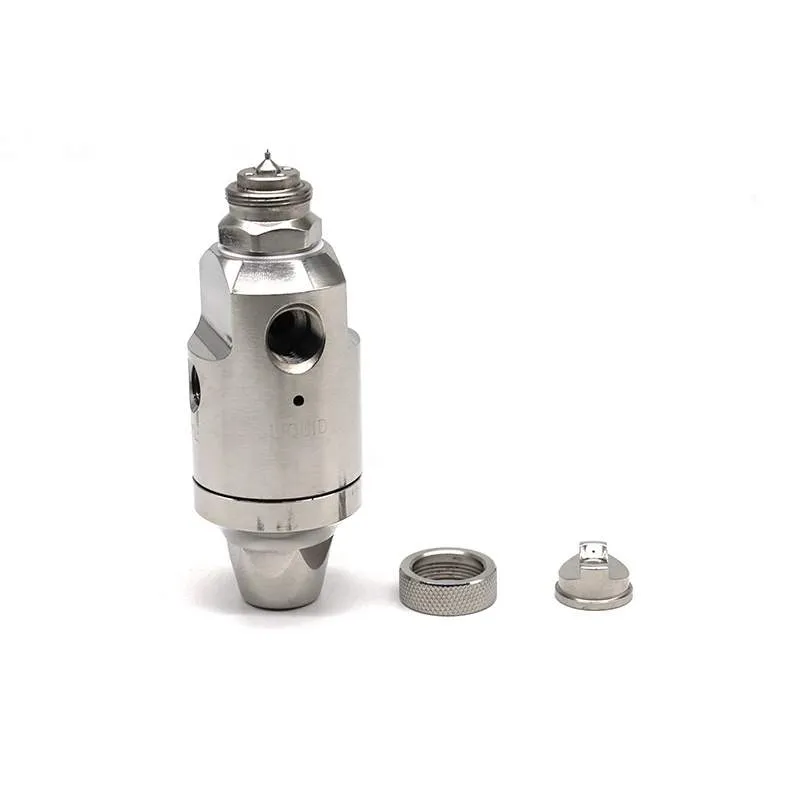
J Series Air Atomizing Nozzle
Application: Paint application, coating systems, adhesive spraying
Material: Stainless Steel
View Details →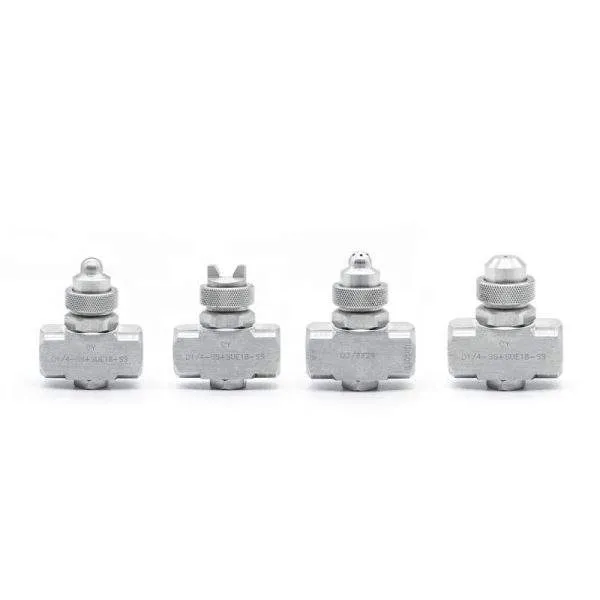
D Series Air Atomizing Nozzle
Application: Fine coating atomization, e-coat application
Material: Stainless Steel
View Details →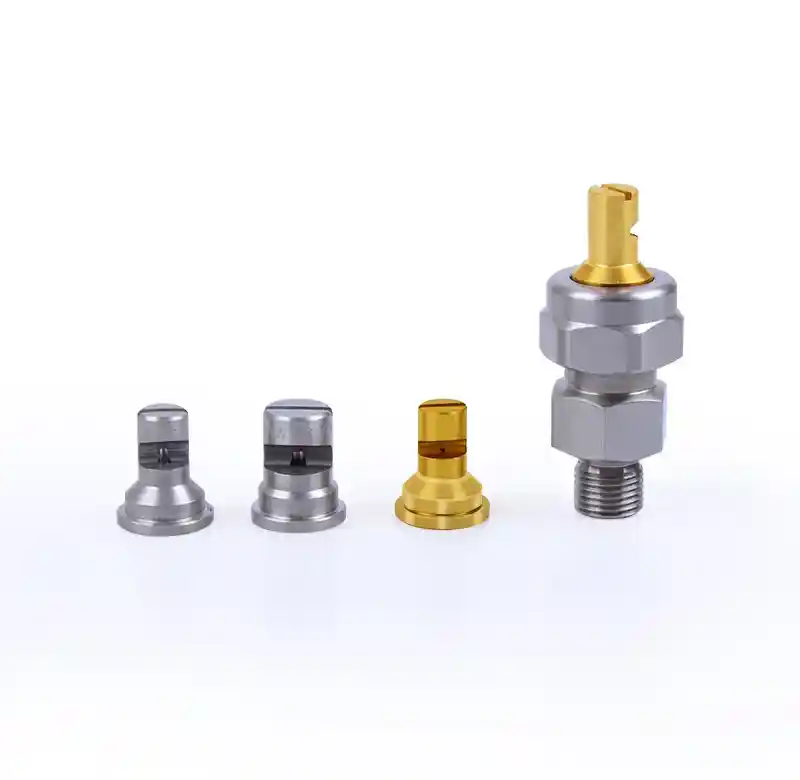
CC Flat Fan Spray Nozzle
Application: Parts washing, surface cleaning, pre-treatment
Material: 316 Stainless Steel / Polymer
View Details →
High Pressure Cleaning Nozzle
Application: Engine block washing, transmission case cleaning
Material: 316L Stainless Steel
View Details →
WC001 Wide Angle Fan Spray Nozzle
Application: Die cooling, general surface rinsing
Material: Stainless Steel
View Details →
PVDF Chemical Resistant Nozzle
Application: Phosphating, alkaline cleaning, acid rinsing
Material: PVDF
View Details →Frequently Asked Questions
Automotive manufacturing uses specialized nozzles across multiple production stages. Paint shops require air atomizing nozzles providing fine droplet sizes of 20-80 microns for uniform coating application including siphon-feed and pressure-feed configurations. Pre-treatment systems use full cone and flat fan nozzles for phosphating and degreasing with chemical-resistant PVDF or 316L stainless steel construction. Parts washing operations employ high-pressure flat fan nozzles at 50-150 bar removing machining oils and metal chips from engine blocks and transmission cases. Die cooling systems use wide-angle nozzles delivering high water flow to stamping dies. Final assembly uses precision air atomizing nozzles for adhesive and sealant application. Each application requires specific spray patterns, atomization quality, chemical compatibility, and automation integration capabilities.
Yes, we specialize in spray nozzles engineered for robotic automotive painting systems. Our nozzles integrate with all major robotic platforms including ABB, KUKA, Fanuc, and Yaskawa providing standard mounting interfaces and pneumatic control signals. We supply complete atomization packages including air caps, fluid tips, and needle assemblies optimized for waterborne and solvent-based automotive coatings. Our engineering team provides spray pattern validation using laser analysis ensuring uniform coverage, transfer efficiency testing measuring material utilization rates, and robotic path programming consultation optimizing application speed and overlap. We offer quick-disconnect nozzle systems enabling fast changeovers between colors and coating types during production. Technical support includes on-site spray booth commissioning, pattern troubleshooting, and operator training for robotic spray equipment maintenance.
Automotive manufacturing chemicals including alkaline cleaners (pH 11-13), acidic phosphating solutions (pH 2-4), and organic solvents require chemical-resistant nozzle materials. PVDF (polyvinylidene fluoride) offers excellent resistance to strong acids, bases, and solvents used in pre-treatment and parts washing with temperature capability to 140°C. 316L stainless steel provides good resistance to most automotive cleaning chemicals with superior strength for high-pressure applications up to 200 bar. PTFE (Teflon) delivers universal chemical resistance for the most aggressive solutions but limited to lower pressure applications below 10 bar. Hastelloy C-276 nickel alloy resists hot concentrated acids in specialized cleaning processes. Standard 304 stainless steel is NOT recommended for phosphating or strong alkaline cleaners due to corrosion. We provide material compatibility charts specifying recommended nozzle materials for all common automotive chemicals ensuring long service life and contamination-free operation.
Yes, we provide direct replacement nozzles for automotive spray systems from all manufacturers. Our engineering team conducts on-site spray audits evaluating current system performance, documenting existing nozzle specifications including thread sizes and spray angles, analyzing coating defects or cleaning quality issues, and identifying opportunities for material savings and quality improvements. We offer drop-in replacements maintaining existing connections and manifold positions while upgrading to improved atomization quality, chemical resistance, or durability. For paint booth retrofits, we provide complete atomization package upgrades delivering better transfer efficiency and reduced overspray waste. For parts washing systems, we design optimized spray manifolds improving cleaning effectiveness while reducing water and chemical consumption. Most automotive retrofit projects achieve payback within 6-18 months through reduced material costs, improved quality reducing rework, and decreased water and energy consumption.
Automotive plants typically achieve 25-40% paint cost reduction through spray system optimization. First, upgrade to high-efficiency air atomizing nozzles with transfer efficiencies of 65-85% compared to 30-50% for conventional systems reducing overspray waste. Implement electrostatic spray equipment charging paint droplets attracting them to grounded vehicle bodies further increasing transfer efficiency to 85-95%. Optimize spray patterns and application speeds matching material delivery to actual coverage requirements eliminating excessive film build. Install precise metering and flow control systems delivering exact material quantities based on vehicle size and color eliminating overages. Use automated color change systems minimizing material waste during color transitions. Implement closed-loop recycling capturing and reusing overspray materials where possible. Add real-time monitoring systems tracking material consumption identifying waste sources. Typical material cost savings of $200-500 per vehicle represent $5-12 million annual savings for plants producing 25,000 vehicles annually with payback periods of 12-24 months on spray system investments.
Automotive spray nozzle maintenance requirements vary by application. Paint atomization nozzles require daily cleaning with solvent flushing removing dried coating residues, weekly inspection for wear on air caps and fluid tips with replacement when spray patterns become irregular, and monthly flow testing verifying material delivery rates within specifications. Parts washing nozzles need weekly inspection for clogging from metal particles or scale buildup, monthly orifice measurement replacing nozzles when diameters enlarge by more than 10%, and quarterly manifold flushing removing accumulated debris. Pre-treatment spray headers require weekly visual inspection for chemical corrosion or damage, monthly spray pattern verification ensuring uniform coverage, and semi-annual nozzle replacement preventively in aggressive chemical environments. Quick-disconnect nozzle systems enable maintenance during planned production breaks minimizing line downtime. We provide maintenance training programs, spare parts kits for common nozzle configurations, and technical support assisting automotive plant maintenance teams troubleshooting spray system issues during production.