



造船における腐食が機器に与える影響:隠れたコストと究極の予防ガイド
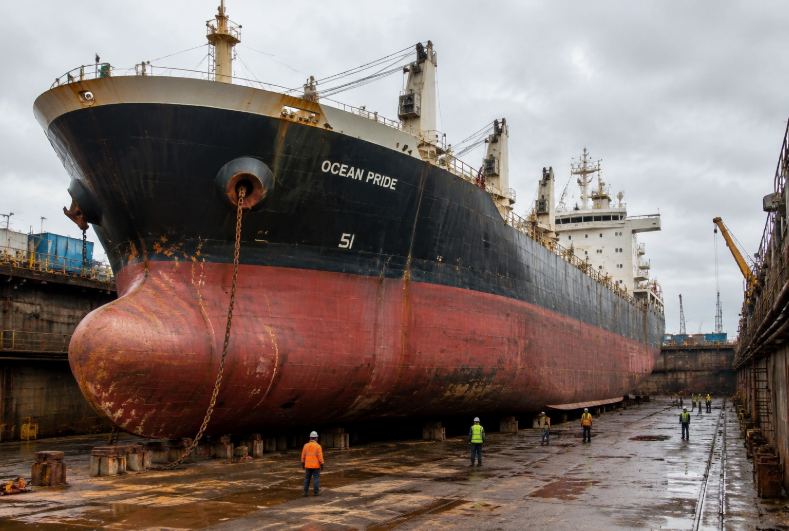
想像してみてください:商業船が定例のドライドック入りを予定しています。外装はよく手入れされているように見えますが、海洋技術者がバラストと貨物タンクのハッチを開けると、悪夢に遭遇します。深刻なピットが保護コーティングを侵食し、鋼製隔壁の構造的な強度を損なっています。標準的な2週間のメンテナンス期間が、数百万ドル規模の修理プロジェクトに変わってしまいました。
海事業界では「錆は決して眠らない」という古い格言が真実です。ほとんどの造船所が外装コーティングや陰極保護に重点を置く一方で、造船設備の静かな殺害要因は内部システムの深い部分にあります。この包括的なガイドでは、腐食が内部機器にどのように影響するか、従来の保守方法がなぜ失敗しているのか、そして自動清掃ソリューションへの移行がフリート運用者を壊滅的なダウンタイムや安全違反から救う方法について詳しく探ります。
目次
- 【海洋腐食の理解:基本】(#1-海洋腐食の基本を理解する)
- コアコンセプト簡略化
- 【内側の戦い:段階的な予防とケーススタディ】(#3-内部の戦いのステップバイステップ予防--ケーススタディ)
- 【専門家のヒントと避けるべき一般的な落とし穴】(#4-expert-tips--よく避けるべき落とし穴)
- 【結論と最終思考】(#5-結論--最終思考)
- 1. 1.海洋腐食の理解:基本
- 2. 2.コアコンセプトの簡略化
- 2.1. ガルバニック腐食:「バッテリー」効果
- 2.2. 塩化物によるピット状化:「歯の虫歯」
- 2.3. コアコンセプト比較表
- 3. 3.内側の戦い:段階的な予防と症例研究
- 3.1. 3.1 シナリオA:手動タンク清掃の罠
- 3.2. 3.2 シナリオB:CIPと自動ノズルの活用
- 3.3. 自動タンク洗浄のための標準作業手順(SOP)テンプレート
- 4. 4.専門家のアドバイスと避けるべき一般的な落とし穴
- 4.1. 仕様とデータ比較:手動システムと自動化システム
- 5. 5.結論と最終的な感想
- 6. よくある質問
- 6.1. 簡単な概要
- 7. 2.コアコンセプトの簡略化
- 7.1. ガルバニック腐食:「バッテリー」効果
- 7.2. 塩化物によるピット状化:「歯の虫歯」
- 7.3. コアコンセプト比較表
- 8. 3.内側の戦い:段階的な予防と症例研究
- 8.1. 3.1 シナリオA:手動タンク清掃の罠
- 8.2. 3.2 シナリオB:CIPと自動ノズルの活用
- 8.3. 自動タンク洗浄のための標準作業手順(SOP)テンプレート
- 9. 4.専門家のアドバイスと避けるべき一般的な落とし穴
- 9.1. 仕様とデータ比較:手動システムと自動化システム
- 10. 5.結論と最終的な感想
- 11. よくある質問
- 11.1. 簡単な概要
1.海洋腐食の理解:基本
海洋技術者、造船技術者、造船所の保守管理者にとって、腐食対策は日々の戦いです。材料保護性能協会(AMPP)によると、海洋腐食は世界経済に年間数十億ドルの損失をもたらしています。しかし、それは具体的にどのように造船設備に影響を与えるのでしょうか?
機器の劣化について話すとき、単なる見た目の錆を見ているわけではありません。私たちが話しているのは、重要なインフラの故障です。
- ポンプとバルブ: 海水や化学物質の残留物が内部の可動部品を詰着させ、重要なバラスト移送時の運用故障を引き起こします。
- 配管システム: 内部のスケーリングは流量を制限し圧力を増加させ、船の機械システムに過度な負荷をかけます。
- バラストおよび貨物タンク: 残留した塩分、化学物質、生物物がタンクの内側から侵食し、国際海事機関(IMO)の厳格な基準に違反する構造薄化を引き起こします。
主な問題は、内部機器の点検が非常に難しいことで有名です。タンク内部のエポキシコーティングに微細な破損が入り、閉じ込められた塩水残留物にさらされると、局所的な金属損失が加速します。定期的なタンク https://www.nozzle-intellect.com/blogDetail/why-tank-cleaning-is-critical-in-industrial-operations/17.html 清掃の重要性を理解することは、反応的な修理の考え方から積極的で予防的なメンテナンス戦略へと移行する第一歩です。
2.コアコンセプトの簡略化
機器の故障を効果的に防ぐためには、意思決定者は船舶を攻撃する特定の腐食の種類を理解する必要があります。複雑な冶金学を分かりやすく説明しましょう。
ガルバニック腐食:「バッテリー」効果
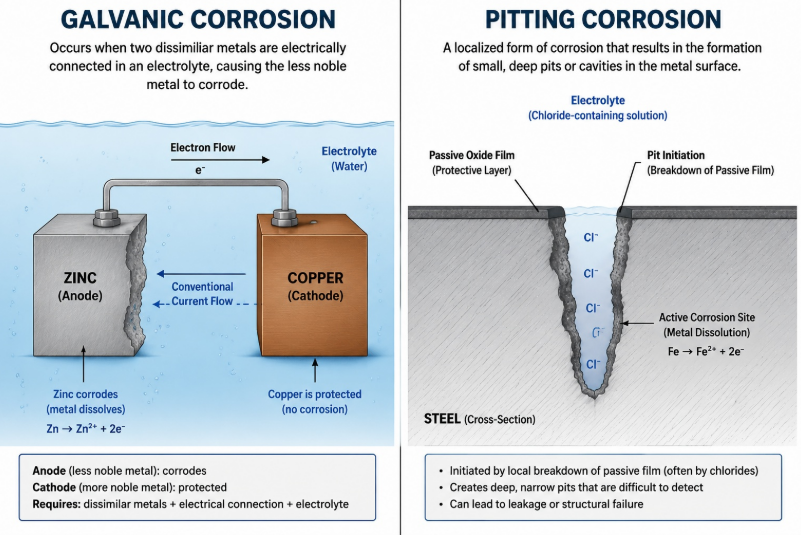
例えば、青銅のかけら(プロペラのようなもの)と鋼のかけら(船体の殻のようなもの)をつなげて、塩水の入ったバケツに落とすと想像してください。あなたは粗末なバッテリーを作り出してしまっただけです。塩水は電解質として働き、電子がより貴重でない金属(鋼)からより貴重な金属(青銅)へと流れることを可能にします。鋼が電子を失うと、文字通り溶けてしまいます。これがガルバニック腐食であり、混合金属機器が水中で劣化する最も一般的な原因です。
塩化物によるピット状化:「歯の虫歯」
もしガルバニック腐食が表面的な攻撃なら、ピッティングは暗殺です。貨物タンク内で海水が蒸発すると、非常に濃縮された塩化物(塩)結晶が残ります。これらの塩化物は鋼の受動酸化層の弱点を攻撃します。歯の虫歯のようなものだと考えてください。表面の穴は小さく見えても、金属板の「神経」に深く穴を開け、構造全体を急速に弱らせます。ピッティングは非常に局所的であるため非常に危険で、漏れが起こるまで気づかれないことが多いのです。
コアコンセプト比較表
| 腐食の種類 | 主な原因 | 視覚的特徴 | 類推 | 内部タンクの厳しさ |
|---|---|---|---|---|
| ガルバニック | 電解質(海水)と接触した異種金属。 | 金属継ぎ目の近くで広く均一な錆びや材料の損失。 | バッテリーが漏れかけている。 | 中程度(通常は犠祭アノードで管理)。 |
| ピット | 塩化物(塩)や化学物質が保護コーティングを破損させる。 | 小さくて深い局所的な穴;しばしば錆びた水ぶくれの下に隠れています。 | 内側から腐る深い歯の空洞。 | 重度(突然の構造的破壊を引き起こすことがあります)。 |
| MIC(微生物) | 停滞したバラスト水中の細菌が腐食性の酸を発生させます。 | ぬるぬるした堆積物、局所的なピット、そして独特の硫黄臭。 | シロアリが木の基礎を蝕んでいる。 | 高(完全な残留物除去が必要)。 |
3.内側の戦い:段階的な予防と症例研究
内部機器の腐食の根本原因はほぼ常に残留汚染です。タンク内に塩分や化学物質、泥を残すと、燃料は腐食の原因になります。造船所にとっての課題は、この残留物を効率的に除去する方法です。
3.1 シナリオA:手動タンク清掃の罠
歴史的に、造船所は保護コーティングを施したり検査を行ったりする前に、バラストや貨物タンクの清掃に手作業を頼ってきました。r/marineengineeringのようなフォーラムを見れば、この作業の現実がすぐにわかります。つまり、この仕事は普遍的に嫌われているということです。
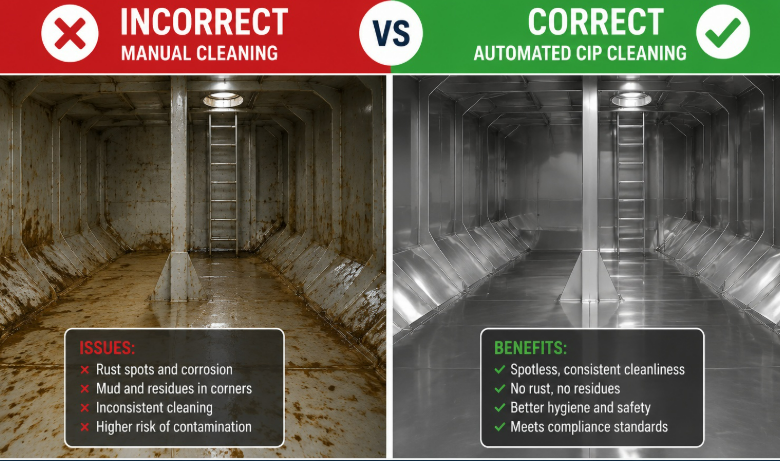
作業員は高圧ホースやスクラブブラシを持った暗く狭い閉鎖空間に送り込まれます。このアプローチには多くの問題があります:
- 安全上の危険性: 閉鎖空間への立ち入りはOSHAおよび海上安全機関によって厳しく規制されています。有毒な煙、酸素不足、転倒の危険性が非常に危険です。
- 一貫性の欠如: 人間の労働者は疲労に苦しむ。彼らは必然的に内部構造リブやバッフルの背後にある「影の領域」を見逃します。
- コーティング損傷: 不均一な手動ハイドロブラストは、保護コーティングを剥がし、保護しようとする自然の要素にさらす裸の鋼板を露出させることがあります。
手動タンク清掃の制約(https://www.nozzle-intellect.com/blogDetail/manual-vs-automated-tank-cleaning-which-is-better/27.html)は単なる運用上の不便ではありません。これらは早期の設備故障や巨額のドライドッキング費用の直接的な要因となっています。
3.2 シナリオB:CIPと自動ノズルの活用
造船設備を内部腐食から真に守るために、現代の艦隊運航者は自動化に取り組んでいます。ここで、クリーンインプレイス(CIP)技術が造船所のメンテナンスを革命的に変えます。
CIPは、パイプ、容器、タンクの内部を分解や人間が密閉空間に入ることなく清掃する自動化システムです。特殊な[クリーンインプレイス]システム(https://www.nozzle-intellect.com/blogDetail/what-is-cip-cleaning-and-how-does-it-work-the-ultimate-2026-guide/38.html)を活用することで、造船所は高衝撃の洗浄液を導入し、数学的な精度で腐食性残留物を吹き飛ばすことができます。
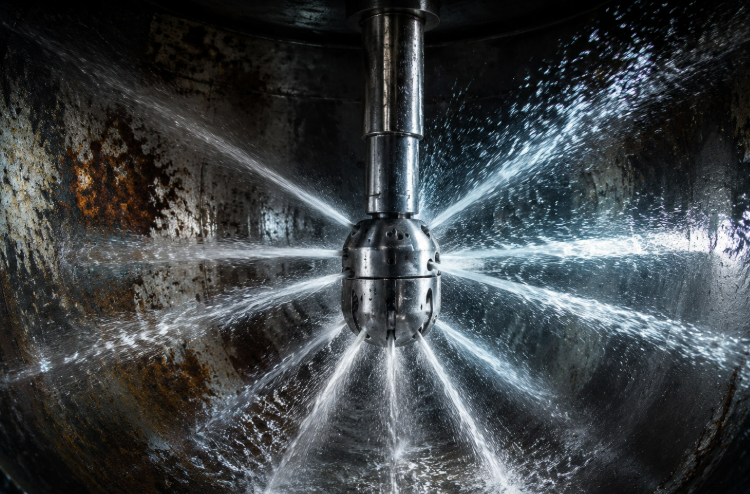
自動ノズルの仕組み: 作業員がホースを持つ代わりに、ロータリージェットヘッドがタンク内に降ろされます。これらの産業用タンク洗浄ノズルは流体駆動式です。洗浄水の圧力によりノズルヘッドは複数の軸で同時に回転し、密度の高い360度の3Dインデックスパターンが形成されます。
タンクの隅々まで、バッチャーの裏の難しい影の部分も含めて、水の衝撃が強く流されます。これにより、塩化物や化学残留物がピッティングが始まる前に完全に除去されます。
自動タンク洗浄のための標準作業手順(SOP)テンプレート
これを導入しようとする保守管理者のために、内部腐食防止のための自動ノズル活用のための簡略化かつ実践的なSOPテンプレートをご紹介します。
標準作業手順:自動バラストタンクCIP清掃
-
事前洗浄準備: [ ] すべてのタンクバルブを閉めてシステムを隔離しろ。 [ ] 洗浄後に目視検査が必要な場合は、大気安全(ガスフリー)を確認してください。 [ ] 自動回転ジェットノズルをタンクアクセスハッチからしっかりと取り付けてください。
-
洗浄サイクルの実行(「罪人の輪」原則): [ ] ステップ1:周囲の新鮮な水であらかじめすすぎ、緩んだ泥や重いスケールを落とします(10分)。 [ ] ステップ2:CIPシステムを通じてアルカリ性洗浄剤を注入し、酸性残留物を中和します(15分)。 [ ] ステップ3:3Dインデックスパターンを用いた高衝撃の機械洗浄(10〜12バール圧力下、30分)。 [ ] ステップ4:塩化物や洗剤の残留物がゼロになるよう最終的な清水洗浄(10分)。
-
クリーニング後の作業: [ ] タンクを完全に排水します(溜まった水は微生物の腐食を招きます)。 [ ] タンク内を急いで乾燥させて換気しろ。 [ ] 遠隔目視検査を行い、コーティングが無傷であることを確認せよ。
4.専門家のアドバイスと避けるべき一般的な落とし穴
自動化システムへの移行と腐食力学の理解は重要ですが、多くの造船所は実行面でつまずきます。実際のデータと海洋技術者からのフィードバックに基づき、避けるべき最も一般的な落とし穴を以下に挙げます。
落とし穴1:「ウェット」と「クリーン」を混同 多くの業者は、単にタンクに淡水を注ぐだけで塩分を除去できると考えています。そうではありません。塩化物は鋼やエポキシコーティングの微細な孔に結合します。自動ノズルによる物理的な衝撃力がなければ、塩を除去するのではなく、ただ浴びているだけです。
落とし穴2:誤ったノズル選択 大型バラストタンクに回転ジェットヘッドの代わりに静止スプレーボールを使うのは大きな誤りです。静的スプレーボールはカスケード流のみを提供し(小さく滑らかな医薬品タンクをすいでくのに適しています)、一方造船では硬化した海洋スケールを吹き飛ばすために高衝撃のインピンジメントが必要です。
落とし穴3:「デッドレッグス」を無視する デッドレッグとは、キャップが塞がれているか、ほとんど使われない配管の部分のことです。これらの地域には停滞した海水があり、微生物影響腐食(MIC)の温床となっています。CIPシステムはこれらの死んだ脚を継続的に洗浄するように設計されなければなりません。
仕様とデータ比較:手動システムと自動化システム
購入決定や造船所のプロトコル更新において、データは言葉よりも雄弁です。手動洗浄と自動ロータリージェットノズルの比較は以下の通りです。
| メトリック / 仕様 | 手動タンク清掃(高圧ホース) | 自動CIPシステム(ロータリージェットノズル) |
|---|---|---|
| 清掃補償 | 60% - 75%(人為的ミスや影のエリアに悩まされやすい) | 100%(数学的3Dインデックスパターン) |
| 閉鎖空間突入 | 必須(高い安全リスク、OSHA準拠重視) | 不要(外部操作) |
| 水の消費 | 極高(連続トリガー操作) | 低〜中流量(最適化された流量) |
| 100m³タンクの清掃時間 | 12 - 16時間(足場設置含む) | 2 - 3時間(プラグアンドプレイ操作) |
| 腐食防止ROI | 低い(残留物がピッティングを引き起こす) | 高濃度(塩化物を完全に除去することで鋼鉄を保護する) |
5.結論と最終的な感想
造船における腐食は避けられない自然の力ですが、壊滅的な設備の故障はそうではありません。海洋腐食の隠れたコストは、長時間のドライドック作業、安全検査の失敗、構造の強度の損なわれることで測られ、ほぼ常に内部のメンテナンス不足に起因しています。
ガルバニクス腐食やピッティング腐食のメカニズムを理解することで、フリートオペレーターは化学物質や塩水の残留物がタンク内に残ることがいかに災害の元となるのかを正確に理解できます。危険で非効率な手動こすりから離れ、自動タンク清掃ノズルを採用することはもはや贅沢ではありません。これは現代の海上艦隊にとって極めて重要な運用上の必要性です。
船舶を内側から保護することで、コンプライアンスを確保し、人命を守り、収益を大幅に向上させます。
このブログ記事のための簡潔な6問FAQをご紹介します。ブログに直接コピー&ペーストしてください:
よくある質問
Q1: 船舶バラストおよび貨物タンクの内部腐食の原因は何ですか? 内部腐食は、タンク内に残る残留塩水、化学物質、生物物によって引き起こされます。これらの汚染物質は電解質として働き、ガルバニクス腐食、塩化物によるピッティング、微生物腐食(MIC)を加速させ、鋼鉄隔壁を内側から静かに侵食します。
Q2: なぜ現代の造船所では手動のタンク清掃がもはや十分でないのでしょうか? 手動清掃は遅く(100m³タンクあたり12〜16時間)、狭い空間の侵入要件により危険で、作業員は腐食性の残留物が残るバッフルの陰の部分を見逃しがちです。また、不安定なハイドロブラスト圧力により、無傷の保護コーティングを損傷するリスクもあります。
Q3: 自動ロータリージェットノズルは手動方法よりも腐食を防ぐ効果は? ロータリージェットノズルは数学的な3Dインデックスパターンを作り出し、タンク内部のあらゆる平方インチ、隠れた影の部分に高強度の水流を届けます。これにより塩化物や残留物を完全に除去し、ピット腐食の燃料源を排除しつつ、作業員を安全な閉鎖空間外に留めることができます。
Q4: ガルバニック腐食とピッティング腐食の違いは何ですか? ガルバニック腐食は、異なる金属同士が電解質(例えば塩水)で接触し、あまり貴重でない金属が溶ける現象で発生します。これはバッテリーが電荷を漏らすようなものです。ピッティングとは、弱いコーティング部分に鋼に深い穴を開ける局所的な塩化物攻撃で、内側から腐敗する歯の空洞のような形状をします。ピッティングは構造的破損が起こるまで隠れていることが多いため、はるかに危険です。
Q5: なぜ単に淡水を注いで水槽を注いでも腐食を止められないのでしょうか? 塩化物は鋼やエポキシコーティングの微細な孔に結合します。自動ノズルによる物理的な衝撃力がないため、淡水は結合した塩化物を除去するのではなく、表面の塩を希釈するだけです。残留塩は閉じ込められ、すすぎた後もピッティングを始め続けます。
Q6: 自動CIPタンク清掃システムへの切り替えの投資収益率(ROI)は? 自動化CIPは、タンクあたり洗浄時間を12〜16時間から2〜3時間に短縮し、密閉空間での安全リスクを排除し、流量を最適化して水の消費を削減し、ドライドック検査中に発見されなかったピットによる数百万ドルの修理費用を防ぐ100%の補償を実現します。
簡単な概要
| 重要なポイント | 実践的なアドバイス |
|---|---|
| 内部腐食は静かな殺し屋 | 船体だけに注目しないでください。バラストおよび貨物タンクは、塩化物によるピットアウトを防ぐために厳格なメンテナンスが必要です。 |
| 残留物は敵塩、泥、化学物質は電解質や酸として働きます。内部コーティングを保護するためには完全に除去しなければなりません。 | |
| 手動清掃は時代遅れ | 危険な狭い空間に労働者を送り込むのをやめましょう。手作業での清掃は遅く危険で、腐食性の影部分を残します。 |
| 自動ノズルが治療を提供する | ロータリージェットヘッドのCIPシステムに投資しましょう。360度の高強度洗浄により、すべての腐食性物質の除去が保証されます。 |
閉鎖空間の危険を排除し、艦隊を内部腐食から守る準備はできていますか?現在のタンク清掃プロトコルを今すぐ評価し、容器の構造的な強度を確保するために高衝撃自動ノズルへのアップグレードを検討してください。## 1.海洋腐食の理解:基本
海洋技術者、造船技術者、造船所の保守管理者にとって、腐食対策は日々の戦いです。材料保護性能協会(AMPP)によると、海洋腐食は世界経済に年間数十億ドルの損失をもたらしています。しかし、それは具体的にどのように造船設備に影響を与えるのでしょうか?
機器の劣化について話すとき、単なる見た目の錆を見ているわけではありません。私たちが話しているのは、重要なインフラの故障です。
- ポンプとバルブ: 海水や化学物質の残留物が内部の可動部品を詰着させ、重要なバラスト移送時の運用故障を引き起こします。
- 配管システム: 内部のスケーリングは流量を制限し圧力を増加させ、船の機械システムに過度な負荷をかけます。
- バラストおよび貨物タンク: 残留した塩分、化学物質、生物物がタンクの内側から侵食し、国際海事機関(IMO)の厳格な基準に違反する構造薄化を引き起こします。
主な問題は、内部機器の点検が非常に難しいことで有名です。タンク内部のエポキシコーティングに微細な破損が入り、閉じ込められた塩水残留物にさらされると、局所的な金属損失が加速します。定期的なタンク https://www.nozzle-intellect.com/blogDetail/why-tank-cleaning-is-critical-in-industrial-operations/17.html 清掃の重要性を理解することは、反応的な修理の考え方から積極的で予防的なメンテナンス戦略へと移行する第一歩です。
2.コアコンセプトの簡略化
機器の故障を効果的に防ぐためには、意思決定者は船舶を攻撃する特定の腐食の種類を理解する必要があります。複雑な冶金学を分かりやすく説明しましょう。
ガルバニック腐食:「バッテリー」効果
例えば、青銅のかけら(プロペラのようなもの)と鋼のかけら(船体の殻のようなもの)をつなげて、塩水の入ったバケツに落とすと想像してください。あなたは粗末なバッテリーを作り出してしまっただけです。塩水は電解質として働き、電子がより貴重でない金属(鋼)からより貴重な金属(青銅)へと流れることを可能にします。鋼が電子を失うと、文字通り溶けてしまいます。これがガルバニック腐食であり、混合金属機器が水中で劣化する最も一般的な原因です。
塩化物によるピット状化:「歯の虫歯」
もしガルバニック腐食が表面的な攻撃なら、ピッティングは暗殺です。貨物タンク内で海水が蒸発すると、非常に濃縮された塩化物(塩)結晶が残ります。これらの塩化物は鋼の受動酸化層の弱点を攻撃します。歯の虫歯のようなものだと考えてください。表面の穴は小さく見えても、金属板の「神経」に深く穴を開け、構造全体を急速に弱らせます。ピッティングは非常に局所的であるため非常に危険で、漏れが起こるまで気づかれないことが多いのです。
コアコンセプト比較表
| 腐食の種類 | 主な原因 | 視覚的特徴 | 類推 | 内部タンクの厳しさ |
|---|---|---|---|---|
| ガルバニック | 電解質(海水)と接触した異種金属。 | 金属継ぎ目の近くで広く均一な錆びや材料の損失。 | バッテリーが漏れかけている。 | 中程度(通常は犠祭アノードで管理)。 |
| ピット | 塩化物(塩)や化学物質が保護コーティングを破損させる。 | 小さくて深い局所的な穴;しばしば錆びた水ぶくれの下に隠れています。 | 内側から腐る深い歯の空洞。 | 重度(突然の構造的破壊を引き起こすことがあります)。 |
| MIC(微生物) | 停滞したバラスト水中の細菌が腐食性の酸を発生させます。 | ぬるぬるした堆積物、局所的なピット、そして独特の硫黄臭。 | シロアリが木の基礎を蝕んでいる。 | 高(完全な残留物除去が必要)。 |
3.内側の戦い:段階的な予防と症例研究
内部機器の腐食の根本原因はほぼ常に残留汚染です。タンク内に塩分や化学物質、泥を残すと、燃料は腐食の原因になります。造船所にとっての課題は、この残留物を効率的に除去する方法です。
3.1 シナリオA:手動タンク清掃の罠
歴史的に、造船所は保護コーティングを施したり検査を行ったりする前に、バラストや貨物タンクの清掃に手作業を頼ってきました。r/marineengineeringのようなフォーラムを見れば、この作業の現実がすぐにわかります。つまり、この仕事は普遍的に嫌われているということです。
作業員は高圧ホースやスクラブブラシを持った暗く狭い閉鎖空間に送り込まれます。このアプローチには多くの問題があります:
- 安全上の危険性: 閉鎖空間への立ち入りはOSHAおよび海上安全機関によって厳しく規制されています。有毒な煙、酸素不足、転倒の危険性が非常に危険です。
- 一貫性の欠如: 人間の労働者は疲労に苦しむ。彼らは必然的に内部構造リブやバッフルの背後にある「影の領域」を見逃します。
- コーティング損傷: 不均一な手動ハイドロブラストは、保護コーティングを剥がし、保護しようとする自然の要素にさらす裸の鋼板を露出させることがあります。
手動タンク清掃の制約(https://www.nozzle-intellect.com/blogDetail/manual-vs-automated-tank-cleaning-which-is-better/27.html)は単なる運用上の不便ではありません。これらは早期の設備故障や巨額のドライドッキング費用の直接的な要因となっています。
3.2 シナリオB:CIPと自動ノズルの活用
造船設備を内部腐食から真に守るために、現代の艦隊運航者は自動化に取り組んでいます。ここで、クリーンインプレイス(CIP)技術が造船所のメンテナンスを革命的に変えます。
CIPは、パイプ、容器、タンクの内部を分解や人間が密閉空間に入ることなく清掃する自動化システムです。特殊な[クリーンインプレイス]システム(https://www.nozzle-intellect.com/blogDetail/what-is-cip-cleaning-and-how-does-it-work-the-ultimate-2026-guide/38.html)を活用することで、造船所は高衝撃の洗浄液を導入し、数学的な精度で腐食性残留物を吹き飛ばすことができます。
自動ノズルの仕組み: 作業員がホースを持つ代わりに、ロータリージェットヘッドがタンク内に降ろされます。これらの産業用タンク洗浄ノズルは流体駆動式です。洗浄水の圧力によりノズルヘッドは複数の軸で同時に回転し、密度の高い360度の3Dインデックスパターンが形成されます。
タンクの隅々まで、バッチャーの裏の難しい影の部分も含めて、水の衝撃が強く流されます。これにより、塩化物や化学残留物がピッティングが始まる前に完全に除去されます。
自動タンク洗浄のための標準作業手順(SOP)テンプレート
これを導入しようとする保守管理者のために、内部腐食防止のための自動ノズル活用のための簡略化かつ実践的なSOPテンプレートをご紹介します。
標準作業手順:自動バラストタンクCIP清掃
-
事前洗浄準備: [ ] すべてのタンクバルブを閉めてシステムを隔離しろ。 [ ] 洗浄後に目視検査が必要な場合は、大気安全(ガスフリー)を確認してください。 [ ] 自動回転ジェットノズルをタンクアクセスハッチからしっかりと取り付けてください。
-
洗浄サイクルの実行(「罪人の輪」原則): [ ] ステップ1:周囲の新鮮な水であらかじめすすぎ、緩んだ泥や重いスケールを落とします(10分)。 [ ] ステップ2:CIPシステムを通じてアルカリ性洗浄剤を注入し、酸性残留物を中和します(15分)。 [ ] ステップ3:3Dインデックスパターンを用いた高衝撃の機械洗浄(10〜12バール圧力下、30分)。 [ ] ステップ4:塩化物や洗剤の残留物がゼロになるよう最終的な清水洗浄(10分)。
-
クリーニング後の作業: [ ] タンクを完全に排水します(溜まった水は微生物の腐食を招きます)。 [ ] タンク内を急いで乾燥させて換気しろ。 [ ] 遠隔目視検査を行い、コーティングが無傷であることを確認せよ。
4.専門家のアドバイスと避けるべき一般的な落とし穴
自動化システムへの移行と腐食力学の理解は重要ですが、多くの造船所は実行面でつまずきます。実際のデータと海洋技術者からのフィードバックに基づき、避けるべき最も一般的な落とし穴を以下に挙げます。
落とし穴1:「ウェット」と「クリーン」を混同 多くの業者は、単にタンクに淡水を注ぐだけで塩分を除去できると考えています。そうではありません。塩化物は鋼やエポキシコーティングの微細な孔に結合します。自動ノズルによる物理的な衝撃力がなければ、塩を除去するのではなく、ただ浴びているだけです。
落とし穴2:誤ったノズル選択 大型バラストタンクに回転ジェットヘッドの代わりに静止スプレーボールを使うのは大きな誤りです。静的スプレーボールはカスケード流のみを提供し(小さく滑らかな医薬品タンクをすいでくのに適しています)、一方造船では硬化した海洋スケールを吹き飛ばすために高衝撃のインピンジメントが必要です。
落とし穴3:「デッドレッグス」を無視する デッドレッグとは、キャップが塞がれているか、ほとんど使われない配管の部分のことです。これらの地域には停滞した海水があり、微生物影響腐食(MIC)の温床となっています。CIPシステムはこれらの死んだ脚を継続的に洗浄するように設計されなければなりません。
仕様とデータ比較:手動システムと自動化システム
購入決定や造船所のプロトコル更新において、データは言葉よりも雄弁です。手動洗浄と自動ロータリージェットノズルの比較は以下の通りです。
| メトリック / 仕様 | 手動タンク清掃(高圧ホース) | 自動CIPシステム(ロータリージェットノズル) |
|---|---|---|
| 清掃補償 | 60% - 75%(人為的ミスや影のエリアに悩まされやすい) | 100%(数学的3Dインデックスパターン) |
| 閉鎖空間突入 | 必須(高い安全リスク、OSHA準拠重視) | 不要(外部操作) |
| 水の消費 | 極高(連続トリガー操作) | 低〜中流量(最適化された流量) |
| 100m³タンクの清掃時間 | 12 - 16時間(足場設置含む) | 2 - 3時間(プラグアンドプレイ操作) |
| 腐食防止ROI | 低い(残留物がピッティングを引き起こす) | 高濃度(塩化物を完全に除去することで鋼鉄を保護する) |
5.結論と最終的な感想
造船における腐食は避けられない自然の力ですが、壊滅的な設備の故障はそうではありません。海洋腐食の隠れたコストは、長時間のドライドック作業、安全検査の失敗、構造の強度の損なわれることで測られ、ほぼ常に内部のメンテナンス不足に起因しています。
ガルバニクス腐食やピッティング腐食のメカニズムを理解することで、フリートオペレーターは化学物質や塩水の残留物がタンク内に残ることがいかに災害の元となるのかを正確に理解できます。危険で非効率な手動こすりから離れ、自動タンク清掃ノズルを採用することはもはや贅沢ではありません。これは現代の海上艦隊にとって極めて重要な運用上の必要性です。
船舶を内側から保護することで、コンプライアンスを確保し、人命を守り、収益を大幅に向上させます。
このブログ記事のための簡潔な6問FAQをご紹介します。ブログに直接コピー&ペーストしてください:
よくある質問
Q1: 船舶バラストおよび貨物タンクの内部腐食の原因は何ですか? 内部腐食は、タンク内に残る残留塩水、化学物質、生物物によって引き起こされます。これらの汚染物質は電解質として働き、ガルバニクス腐食、塩化物によるピッティング、微生物腐食(MIC)を加速させ、鋼鉄隔壁を内側から静かに侵食します。
Q2: なぜ現代の造船所では手動のタンク清掃がもはや十分でないのでしょうか? 手動清掃は遅く(100m³タンクあたり12〜16時間)、狭い空間の侵入要件により危険で、作業員は腐食性の残留物が残るバッフルの陰の部分を見逃しがちです。また、不安定なハイドロブラスト圧力により、無傷の保護コーティングを損傷するリスクもあります。
Q3: 自動ロータリージェットノズルは手動方法よりも腐食を防ぐ効果は? ロータリージェットノズルは数学的な3Dインデックスパターンを作り出し、タンク内部のあらゆる平方インチ、隠れた影の部分に高強度の水流を届けます。これにより塩化物や残留物を完全に除去し、ピット腐食の燃料源を排除しつつ、作業員を安全な閉鎖空間外に留めることができます。
Q4: ガルバニック腐食とピッティング腐食の違いは何ですか? ガルバニック腐食は、異なる金属同士が電解質(例えば塩水)で接触し、あまり貴重でない金属が溶ける現象で発生します。これはバッテリーが電荷を漏らすようなものです。ピッティングとは、弱いコーティング部分に鋼に深い穴を開ける局所的な塩化物攻撃で、内側から腐敗する歯の空洞のような形状をします。ピッティングは構造的破損が起こるまで隠れていることが多いため、はるかに危険です。
Q5: なぜ単に淡水を注いで水槽を注いでも腐食を止められないのでしょうか? 塩化物は鋼やエポキシコーティングの微細な孔に結合します。自動ノズルによる物理的な衝撃力がないため、淡水は結合した塩化物を除去するのではなく、表面の塩を希釈するだけです。残留塩は閉じ込められ、すすぎた後もピッティングを始め続けます。
Q6: 自動CIPタンク清掃システムへの切り替えの投資収益率(ROI)は? 自動化CIPは、タンクあたり洗浄時間を12〜16時間から2〜3時間に短縮し、密閉空間での安全リスクを排除し、流量を最適化して水の消費を削減し、ドライドック検査中に発見されなかったピットによる数百万ドルの修理費用を防ぐ100%の補償を実現します。
簡単な概要
| 重要なポイント | 実践的なアドバイス |
|---|---|
| 内部腐食は静かな殺し屋 | 船体だけに注目しないでください。バラストおよび貨物タンクは、塩化物によるピットアウトを防ぐために厳格なメンテナンスが必要です。 |
| 残留物は敵塩、泥、化学物質は電解質や酸として働きます。内部コーティングを保護するためには完全に除去しなければなりません。 | |
| 手動清掃は時代遅れ | 危険な狭い空間に労働者を送り込むのをやめましょう。手作業での清掃は遅く危険で、腐食性の影部分を残します。 |
| 自動ノズルが治療を提供する | ロータリージェットヘッドのCIPシステムに投資しましょう。360度の高強度洗浄により、すべての腐食性物質の除去が保証されます。 |
閉鎖空間の危険を排除し、艦隊を内部腐食から守る準備はできていますか?現在のタンク清掃プロトコルを今すぐ評価し、容器の構造的な強度を確保するために高衝撃自動ノズルへのアップグレードを検討してください。