



Shipbuilding & Marine Spray Nozzles Manufacturer
We deliver engineered spray nozzle systems for the shipbuilding and marine industry. Our nozzles provide reliable performance in ballast tank cleaning, ship fire protection, hull washing, offshore platform deluge systems, and deck wash-down for commercial vessels, naval ships, and offshore oil & gas installations.
Industry Overview
The shipbuilding and marine industry demands robust spray technology for safety and operational efficiency. Modern vessels face challenges including maintaining fire protection system readiness, cleaning large ballast tanks efficiently, preventing hull biofouling, and ensuring reliable spray systems in corrosive saltwater environments.
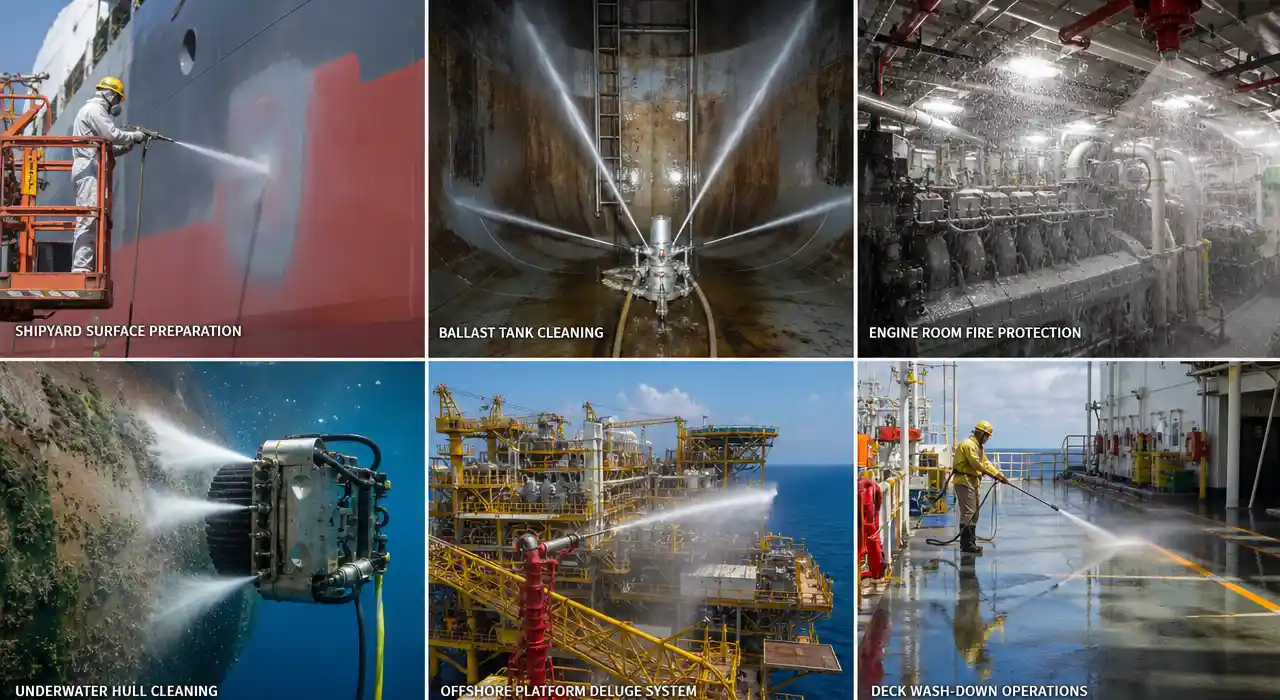
Spray nozzles are critical in fire protection for cargo holds, engine rooms, and accommodation areas, ballast tank cleaning for sediment removal and coating preparation, hull washing for biofouling control, offshore platform deluge systems for hydrocarbon fire suppression, and deck wash-down for operational cleanliness and safety.
Marine Operations
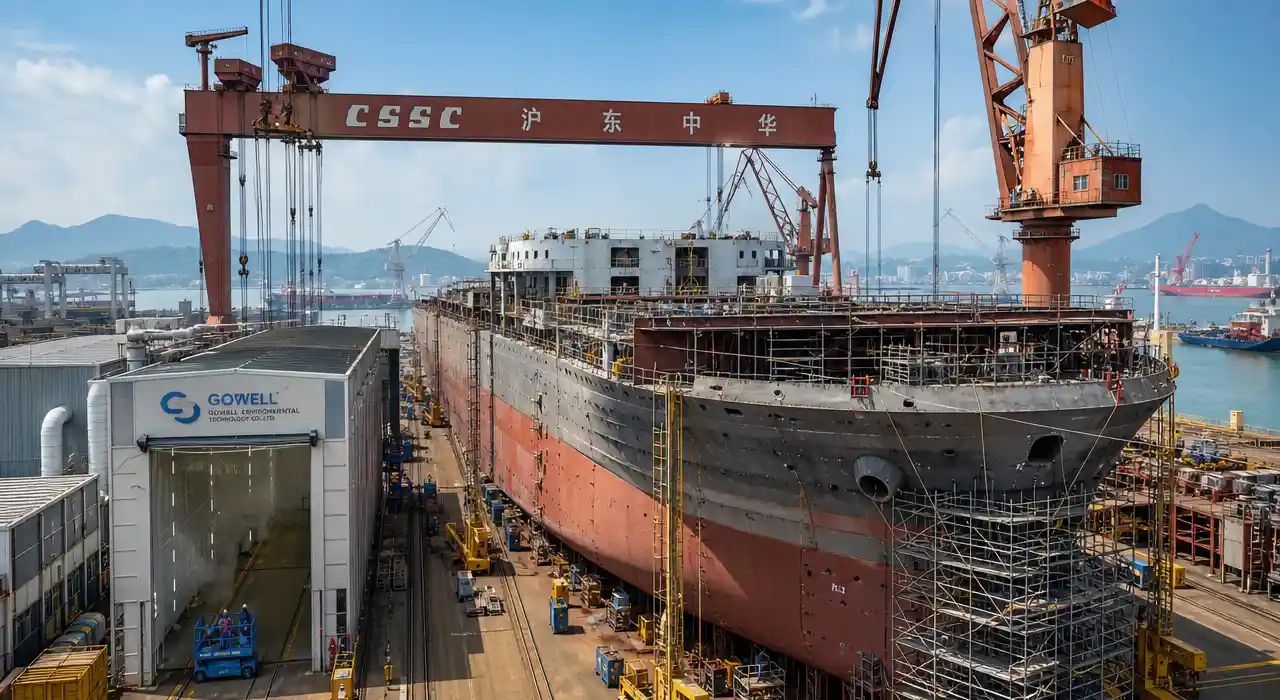
Shipyard Construction
Surface Preparation, Paint Booth Spray
Ballast Tank Cleaning
Sediment Removal, Coating Inspection Prep
Fire Protection Systems
Engine Room, Cargo Holds, Accommodation Deluge
Hull Maintenance
Hull Washing, Biofouling Control
Offshore Platforms
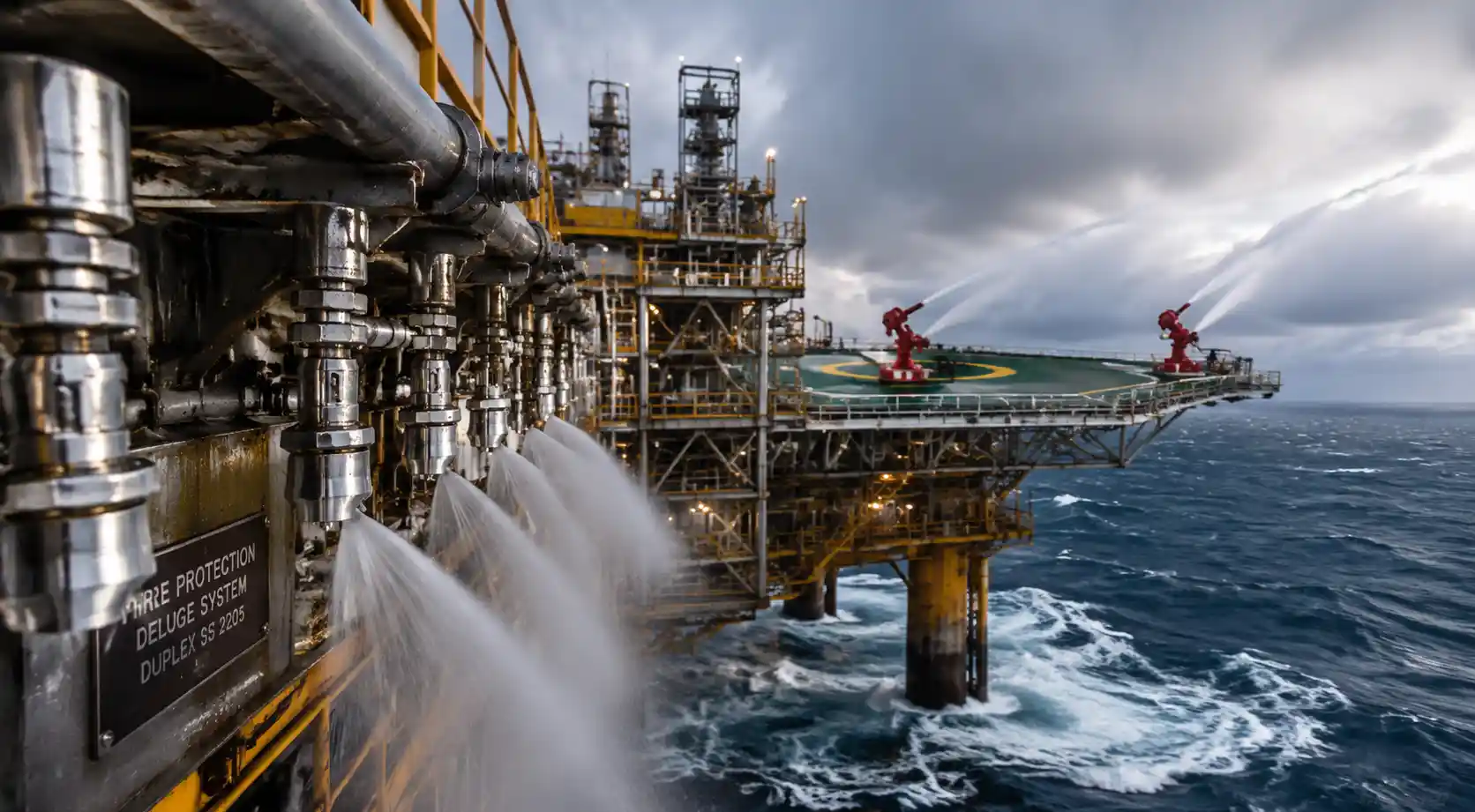
Fire Deluge, Wash-Down, Cooling Systems
Deck Operations
Deck Wash-Down, Equipment Cleaning
Marine Industry Challenges & Solutions
Withstanding Harsh Saltwater Corrosion
ChallengeMarine spray nozzles face continuous exposure to saltwater spray, high humidity (70-95% RH), and salt-laden atmospheres causing accelerated corrosion. Standard materials including carbon steel and 304 stainless steel corrode rapidly with service life measured in months. Fire protection nozzles containing stagnant seawater develop crevice corrosion and microbiologically influenced corrosion (MIC) degrading mechanical integrity. Nozzle failures during emergency activation cause system failures with catastrophic safety consequences.
SolutionOur marine-grade spray nozzles feature 316L stainless steel providing superior corrosion resistance to seawater and marine atmospheres with 10-20 year service life, bronze alloys (CuSn10, CuNi10Fe) offering excellent saltwater compatibility and biofouling resistance for fire protection service, duplex stainless steel (2205, 2507) combining strength and extreme corrosion resistance for offshore platform applications, and electropolished finishes reducing crevice corrosion sites. All materials meet DNV, ABS, and Lloyd's Register material specifications for marine service.
View Product Materials →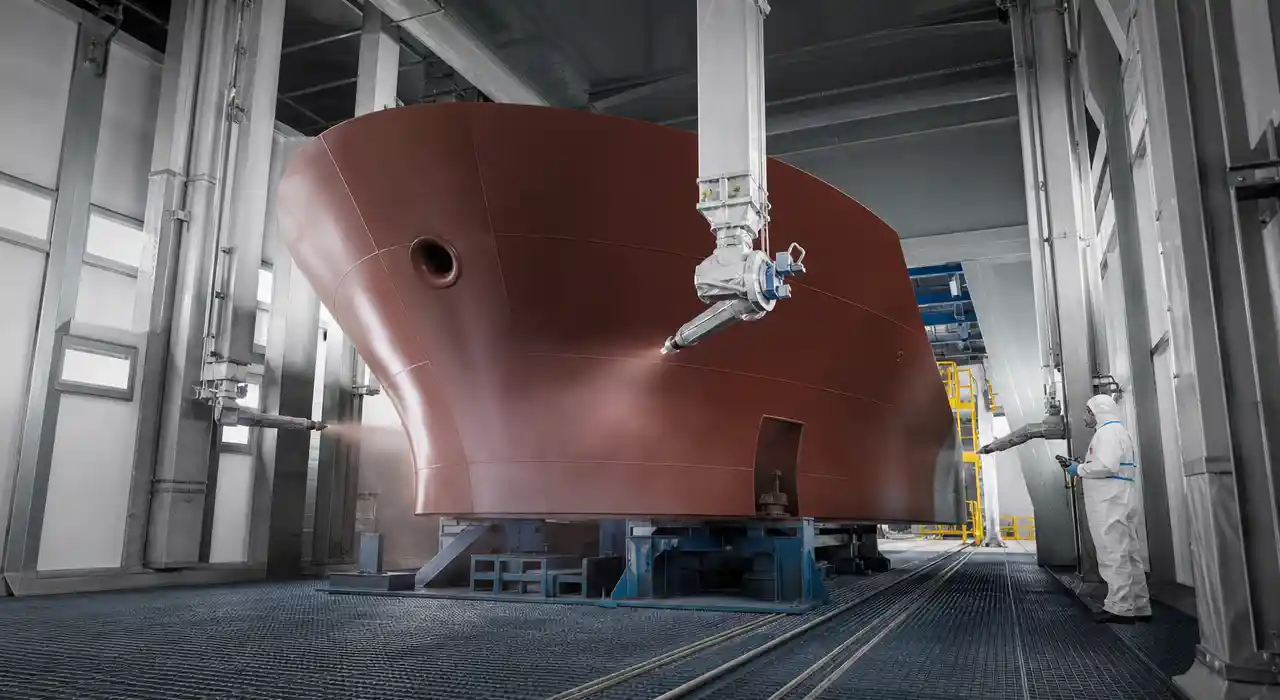
Meeting IMO SOLAS Fire Protection Requirements
ChallengeInternational maritime regulations including IMO SOLAS Chapter II-2 mandate specific fire protection systems with defined spray densities, coverage areas, and activation times. Non-compliant systems prevent vessel certification and port entry. Fire protection nozzles must deliver 5-10 L/min/m² over defined areas while maintaining spray patterns after years of dormant service in corrosive environments. Classification society approvals from DNV, ABS, Lloyd's Register require extensive testing and documentation.
SolutionOur IMO-compliant spray nozzles provide certified flow rates and spray patterns meeting SOLAS requirements, maintain mechanical integrity through design life tested per ISO 15371 and IMO standards, feature corrosion-resistant construction surviving saltwater exposure during standby periods, and include strainers preventing clogging from scale and marine growth. Type approval certificates from major classification societies enable vessel certification and flag state acceptance. Installation drawings and hydraulic calculations support regulatory submissions.
View Fire Protection Solutions →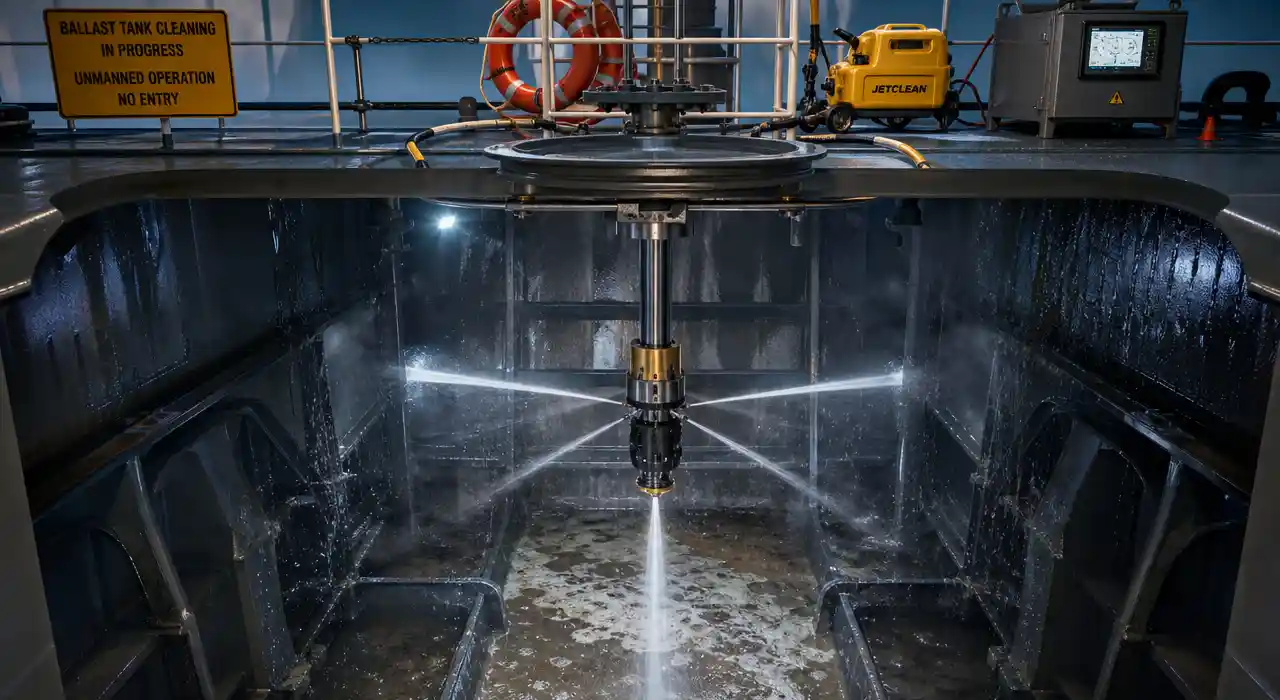
Efficient Ballast Tank Cleaning
ChallengeLarge vessel ballast tanks ranging from 1,000 to 50,000 cubic meters require cleaning for inspection and coating maintenance. Traditional manual cleaning with high-pressure hoses requires confined space entry with extensive safety procedures including gas testing, ventilation, and rescue standby. Cleaning times of 3-10 days per tank create drydocking schedule delays. Manual methods pose safety risks from falls, hydrogen sulfide exposure, and oxygen deficiency.
SolutionOur ballast tank cleaning nozzles deliver automated high-impact rotating spray removing sediment, scale, and loose coating without entry, reduce cleaning time from 3-10 days to 4-12 hours per tank minimizing drydock costs, operate at 50-200 bar pressure removing stubborn deposits and coating from tank structures, and eliminate confined space entry hazards improving crew safety. 3D rotating spray heads reach tank complex geometry including frames, brackets, and corners ensuring complete coverage documented through video inspection.
View Tank Cleaning Solutions →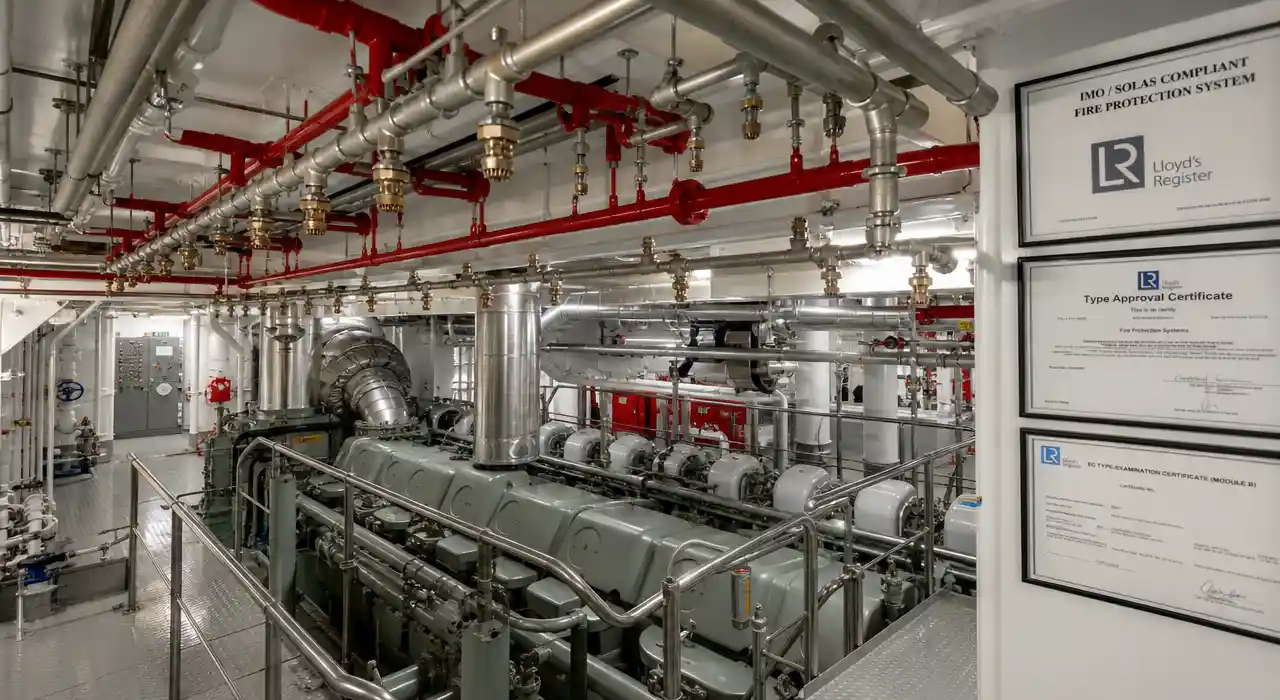
Preventing Fire System Nozzle Clogging
ChallengeMarine fire protection systems using seawater accumulate scale, corrosion products, and marine organisms during standby periods blocking nozzle orifices. Microbiological growth including bacteria and algae creates biofilms reducing orifice diameters. Clogged nozzles discovered during annual testing require extensive system flushing or nozzle replacement. Failures during emergency activation prevent adequate fire suppression endangering crew and cargo.
SolutionOur marine fire protection nozzles feature large orifice designs (6-25mm) resisting clogging from scale and debris, incorporate integrated strainers capturing particulates before nozzle entry, use bronze or 316SS materials resisting corrosion and biofouling, and provide easy disassembly for inspection and cleaning during annual system testing. Installation with automatic flushing systems maintaining water circulation prevents stagnation and biological growth. Flow testing during drydock periods verifies spray pattern quality and flow capacity before return to service.
View Fire Protection Solutions →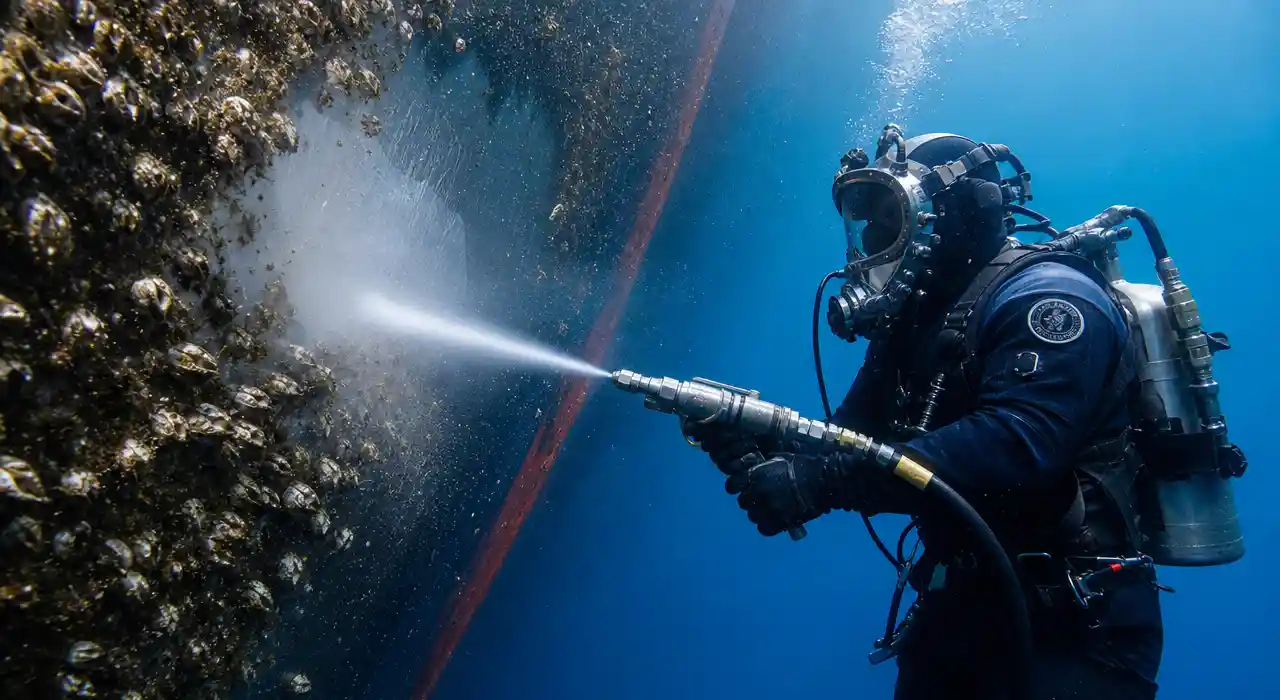
Controlling Hull Biofouling
ChallengeShip hull biofouling from algae, barnacles, mussels, and other marine organisms increases hull roughness raising drag and reducing fuel efficiency by 10-40%. Annual fuel cost increases of $100,000-1,000,000 per vessel result from heavy fouling. Traditional drydocking for hull cleaning occurs every 24-60 months with costs of $500,000-5,000,000 including drydock fees, cleaning, and lost operational time. In-water cleaning risks damaging antifouling coatings releasing copper and other biocides.
SolutionOur hull cleaning spray nozzles provide underwater high-pressure spray removing soft biofouling without coating damage through optimized pressure (50-150 bar) and nozzle distance, integrate with ROV or diver-operated systems enabling in-water cleaning during port stays, use cavitation-enhanced spray patterns dislodging barnacles and hard growth, and collect removed material preventing environmental release. Regular cleaning every 3-6 months maintains hull smoothness reducing fuel consumption by 5-10% versus allowing fouling accumulation between drydockings. Typical annual savings of $200,000-800,000 per vessel from reduced fuel and extended drydock intervals.
View Cleaning & Washing Solutions →Marine Application Example
Ballast Tank Cleaning System for Bulk Carrier Fleet
Problem: A shipping company operated 15 bulk carriers requiring ballast tank cleaning before regulatory inspections every 5 years. Manual cleaning using high-pressure hoses required 5-8 days per tank with 4-person crews in confined space entry conditions. Total drydock time of 30-40 days per vessel for 20-30 ballast tanks represented $300,000-500,000 in drydock fees plus lost operational revenue. Safety concerns included toxic gas exposure, falls, and physical strain on crew in difficult tank access conditions.
Solution: Installed automated 3D rotating ballast tank cleaning nozzles operating at 150 bar pressure. Systems mounted on portable poles inserted through tank manholes eliminating confined space entry. Implemented two-stage cleaning with initial high-pressure wash removing sediment followed by rinse cycle. Trained crew for rapid deployment and operation during drydock periods.
Results:
- Cleaning time reduced from 5-8 days to 6-10 hours per tank representing 85-90% time savings
- Drydock period reduced from 30-40 days to 12-18 days saving $150,000-300,000 in drydock fees per vessel
- Confined space entry eliminated improving crew safety and reducing permit requirements
- Fleet-wide implementation across 15 vessels achieved annual savings of $2-4 million with payback within 12-18 months
Why Choose Us for Marine Spray Systems
Industry Experience
SOLAS Compliant
Time Savings
Service Life
Recommended Nozzle Solutions
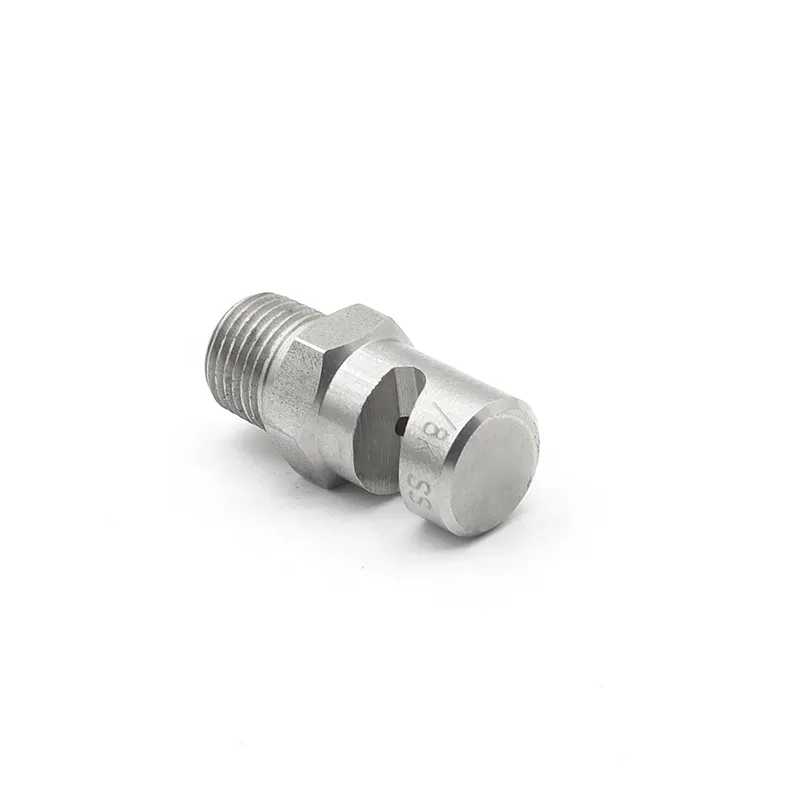
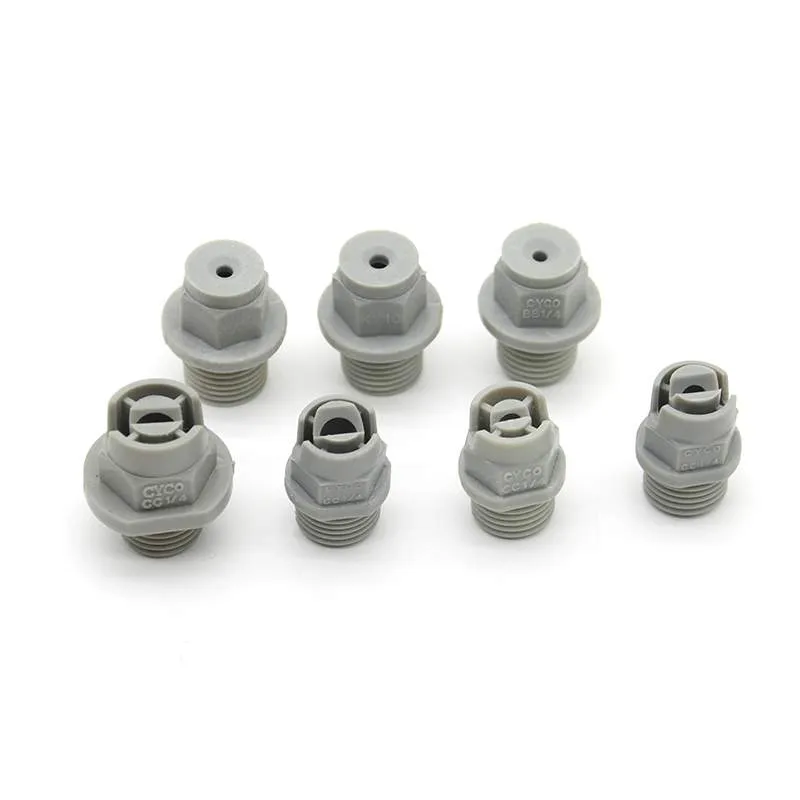
BB Series Full Cone Nozzle
Application: Fire protection, deck wash-down, general marine use
View Details →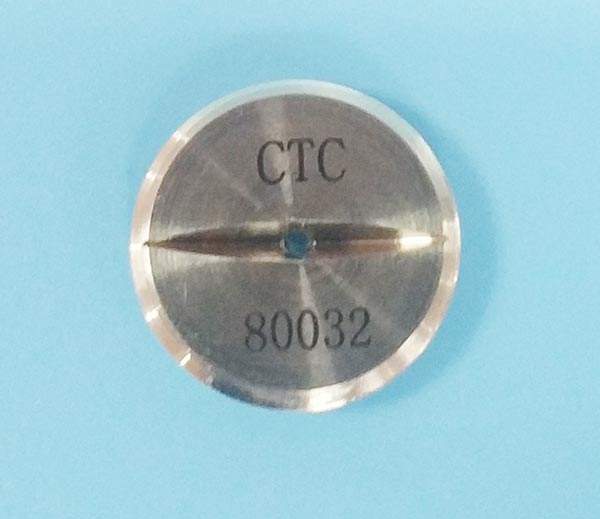
High Pressure Cleaning Nozzle
Application: Ballast tank cleaning, hull washing, marine surface prep
View Details →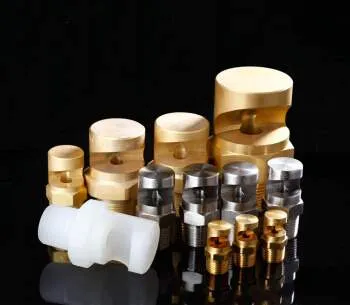
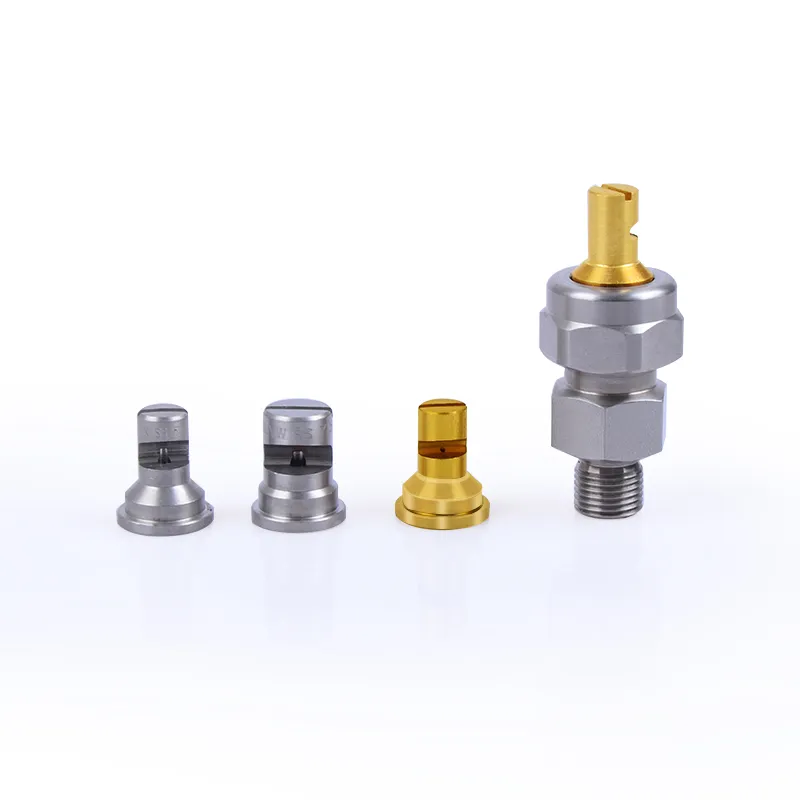
WC001 Wide Angle Fan Spray Nozzle
Application: Fire deluge systems, large area coverage
View Details →
Frequently Asked Questions
Marine and offshore applications use specialized nozzles engineered for saltwater corrosion resistance and regulatory compliance. Fire protection systems require wide-angle spray nozzles (90-120°) delivering 5-10 L/min/m² over defined areas with 316L stainless steel or bronze construction meeting IMO SOLAS requirements and classification society approvals. Ballast tank cleaning employs high-impact rotating nozzles operating at 50-200 bar removing sediment and scale without confined space entry. Hull washing uses flat fan or full cone nozzles at 100-150 bar removing biofouling while protecting antifouling coatings. Offshore platform deluge systems utilize high-flow nozzles (100-1000 L/min) for production module fire protection with duplex stainless steel construction withstanding harsh saltwater spray environments. Deck wash-down requires corrosion-resistant nozzles with hose connections for crew operation. All marine nozzles must survive years of saltwater exposure during standby service, resist clogging from scale and marine growth, and maintain spray pattern quality meeting performance specifications after long-term corrosion.
Yes, we provide fire protection spray nozzles meeting IMO SOLAS Chapter II-2 requirements for marine fire systems. Our nozzles hold type approval certificates from major classification societies including DNV, ABS, Lloyd's Register, Bureau Veritas, and other flag state authorities. Nozzles are tested per ISO 15371 maritime fire protection standards demonstrating spray pattern uniformity, flow rate accuracy, and mechanical integrity after saltwater corrosion testing. We supply complete documentation packages including type approval certificates, flow rate test reports, spray pattern analysis, material certifications, and installation drawings supporting vessel certification and flag state acceptance. Our marine fire nozzles feature 316L stainless steel or bronze construction providing corrosion resistance during standby service, large orifice designs (6-25mm) resisting clogging, and integrated strainers protecting against debris. Engineering services include hydraulic calculations demonstrating compliance with required spray densities, coverage area analysis for regulatory submissions, and classification society liaison during approval processes. We support both newbuild installations and retrofit upgrades for existing vessels requiring fire system improvements or regulatory compliance updates.
Marine environments require specialized materials resisting saltwater corrosion and biofouling. 316L stainless steel (UNS S31603) provides excellent seawater resistance with service life of 10-20 years in marine atmospheres making it suitable for most fire protection, wash-down, and cleaning applications. Bronze alloys including CuSn10 (gunmetal), CuNi10Fe (90/10 copper-nickel), and CuNi30Fe (70/30 copper-nickel) offer superior seawater compatibility with natural biofouling resistance ideal for fire protection systems using seawater. Duplex stainless steel grades (2205, 2507) combine high strength and extreme corrosion resistance suitable for offshore platform deluge systems in harsh saltwater spray zones. Electropolished finishes on stainless steel reduce crevice corrosion initiation sites extending service life. Materials NOT recommended include carbon steel (rapid corrosion), 304 stainless steel (pitting corrosion), and aluminum (galvanic corrosion). All marine nozzle materials should meet classification society specifications (DNV, ABS, Lloyd's Register) for marine service with documented corrosion testing validation. We provide material selection guidance based on specific application, seawater exposure severity, and required service life ensuring optimal performance in marine environments.
Yes, we provide replacement spray nozzles for marine systems on all vessel types. Our engineering team works with ship operators and marine surveyors evaluating fire protection system compliance through flow testing and spray pattern analysis, assessing ballast tank cleaning effectiveness and time requirements, documenting existing nozzle specifications including threads, materials, and performance, and identifying opportunities for system improvements or regulatory upgrades. We offer direct replacements maintaining existing manifold connections while upgrading to improved corrosion resistance, optimized spray patterns, or enhanced flow capacity. For fire system retrofits during drydock periods, we provide IMO-compliant nozzles with classification society approvals meeting current SOLAS requirements. Ballast tank cleaning system installations eliminate confined space entry hazards while reducing cleaning time by 85-90% saving drydock costs. Most marine nozzle upgrades achieve payback within 12-36 months through extended service life, reduced maintenance, improved efficiency, or enhanced safety compliance. Installation services include coordination with shipyard schedules, marine surveyor inspections, regulatory documentation, and sea trial support for system commissioning and acceptance testing.
Ship operators achieve 5-15% fuel consumption reduction through proactive hull biofouling management. Implement regular in-water hull cleaning every 3-6 months during port stays maintaining smooth hull surfaces versus allowing fouling accumulation between drydockings. Use optimized cleaning pressure (50-150 bar) and nozzle spacing removing soft biofouling without damaging antifouling coatings preserving coating effectiveness. Employ underwater inspection and cleaning ROVs or diver-operated systems enabling cleaning without drydocking or sailing schedule disruption. Monitor hull condition through underwater imaging identifying fouling early before hard growth establishment. Select advanced antifouling coatings with 60+ month service life combined with regular cleaning extending drydock intervals from 24-36 months to 60 months. Install hull performance monitoring systems measuring speed loss and power increases indicating fouling requiring cleaning. Calculate optimal cleaning frequency balancing cleaning costs against fuel savings and drydock extension benefits. Typical fuel cost reduction of $200,000-800,000 annually per vessel operating on major routes with cleaning costs of $20,000-50,000 per cleaning providing rapid payback. Additional benefits include extended drydock intervals saving $500,000-5,000,000 in drydock fees and lost revenue plus improved schedule reliability through speed maintenance.
Marine fire protection spray nozzles require periodic maintenance ensuring system readiness. Annual testing per SOLAS regulations includes visual inspection checking for corrosion, damage, or missing components, flow testing individual zones verifying flow rates within ±10% of design, spray pattern verification ensuring adequate coverage without excessive drift, and strainer cleaning removing accumulated scale and debris. During drydock periods typically every 24-60 months, conduct comprehensive system flushing removing sediment and corrosion products from pipework, disassemble representative nozzles inspecting internal condition and measuring orifice dimensions, replace corroded or damaged nozzles preventively before degradation affects performance, and hydrostatically test system to 1.5x design pressure per classification society requirements. Systems using seawater benefit from periodic automated flushing maintaining flow circulation and preventing stagnation reducing microbiological growth and scale formation. All fire system maintenance must be documented in vessel logbooks with surveyor witnessing of annual tests for classification society certification maintenance. We provide marine-grade spare nozzle kits meeting flag state requirements, maintenance training for crew and shipyard personnel, and technical support for annual testing and drydock inspection coordination with classification societies and regulatory authorities.